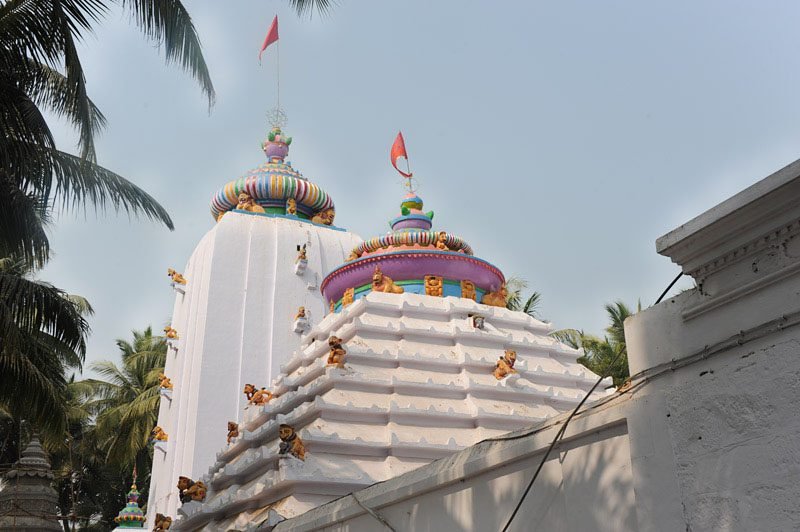
Set in Jajpur, Odisha, Biraja Temple is dedicated to Goddess Biraja (Viraja/Girija), worshipped as a form of Durga. It is also known as Maa Biraja Temple, Virajakshetra, Birajakshetra.
Biraja Temple is one of the Ashtadasha (eighteen) Maha Shakti Peethas named in the Ashtadasha Shakti Peetha Stotram attributed to Adi Shankaracharya. According to the Tantra Chudamani, the navel of Sati fell here, and the site is also known as Nabhi Gaya. The site's temple history is traced back to around the 5th to 9th centuries CE, with the standing structure largely attributed to an 11th century rebuilding under the Somavanshi king Yayati II.
Odisha carries a distinct temple identity of its own: Land of Kalinga temple architecture, from Jagannath's Rath Yatra at Puri to the sculpted sun-chariot of Konark.
Darshan hours and daily worship
| Session | Timing (as published) |
|---|---|
| Morning | 5:30 AM - 1:00 PM |
| Evening | 3:00 PM - 10:00 PM |
Timings taken from the temple's official website; some independent travel guides list slightly different windows, such as 6:00 AM-12:00 PM and 4:00 PM-8:00 PM. Multiple daily sevas are performed, including an early morning seva around 4:00 AM, plus midday and afternoon sevas and an evening aarti with camphor lamps.
Poojas and daily rituals
Multiple daily sevas, including an early morning seva around 4:00 AM, midday and afternoon sevas, and an evening aarti with camphor lamps
Festivals and special-day timings
Regular darshan hours are usually extended, or set aside entirely, on these dates.
| Festival | Period | What happens |
|---|---|---|
| Durga Puja (Shodasha Dinatatmika Puja) | 16-day festival during Sharad Navratri, September/October | The temple's major annual festival, observed with elaborate rituals over sixteen days. |
| Triveni Amavasya | January/February (Magha) | Celebrated as the birthday of Goddess Biraja. |
| Ratha Yatra | During the Durga Puja season | A chariot procession associated with the temple's festivities. |
History and architecture
Architecture
Kalinga (Odia) temple architecture, with an eastern entrance (Simhadwara), a squarish vimana over the sanctum, and a jagamohana hall
History
The site's temple history is traced back to around the 5th to 9th centuries CE, with the standing structure largely attributed to an 11th century rebuilding under the Somavanshi king Yayati II. It was destroyed by the general Kalapahar in the 16th century and later reconstructed, with further restoration in the 19th century. The temple gave Jajpur its historic names, Viraja Kshetra and Viraja Pitha.
Planning your visit
How to reach
Nearest railway station: Jajpur-Keonjhar Road (Byasanagar), about 33 km; Cuttack railway station is also commonly used, about 2-2.5 hours by road; nearest airport: Biju Patnaik International Airport, Bhubaneswar (about 100-125 km)
Where this information comes from
Confidence: Medium. Shakti Peetha status (navel of Sati), history, and architecture are well corroborated across Wikipedia and Odisha government sources; timings come from the temple's official website but vary slightly against other travel guides, and entry fee and dress code could not be confidently verified.