Shakti Peethas
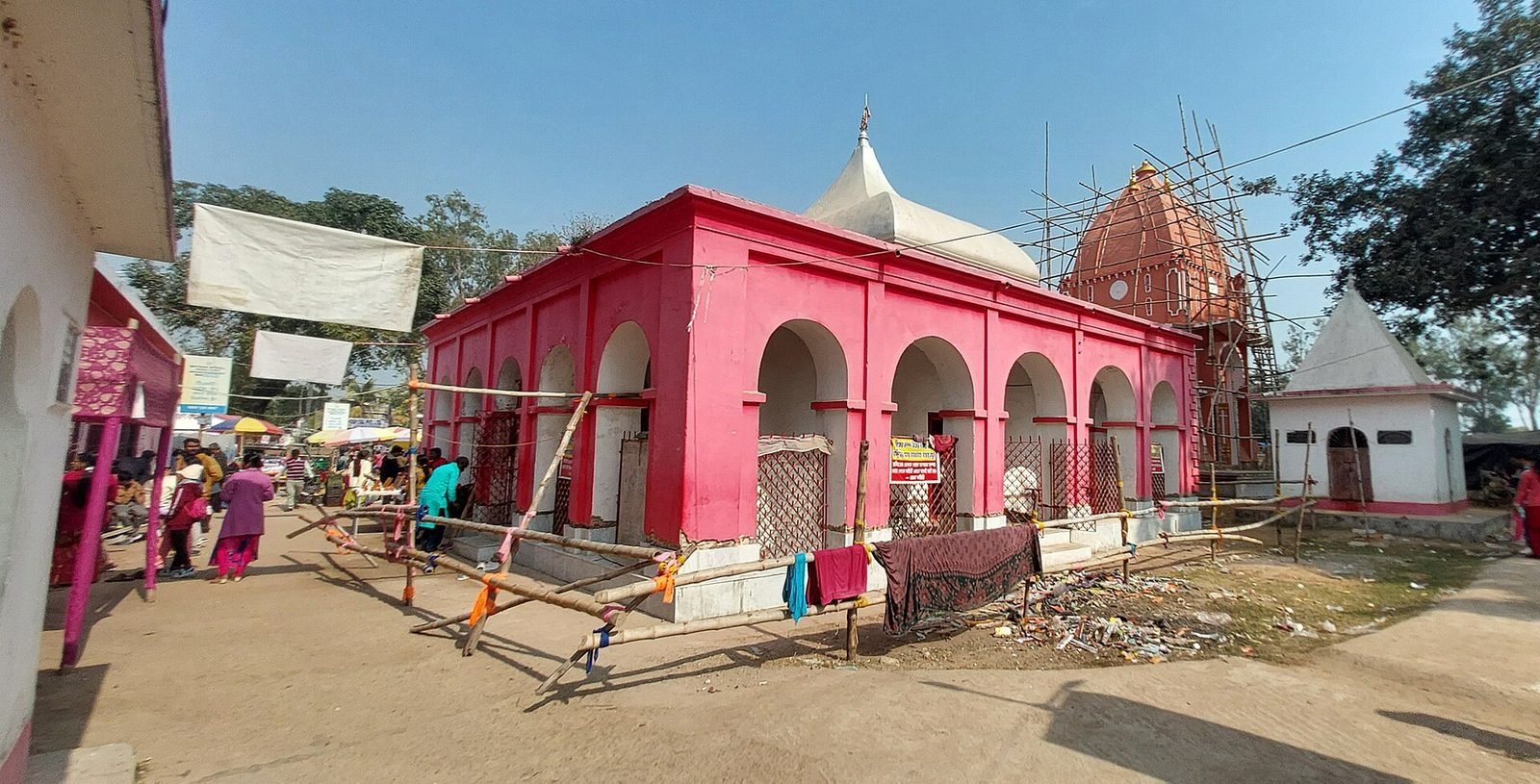
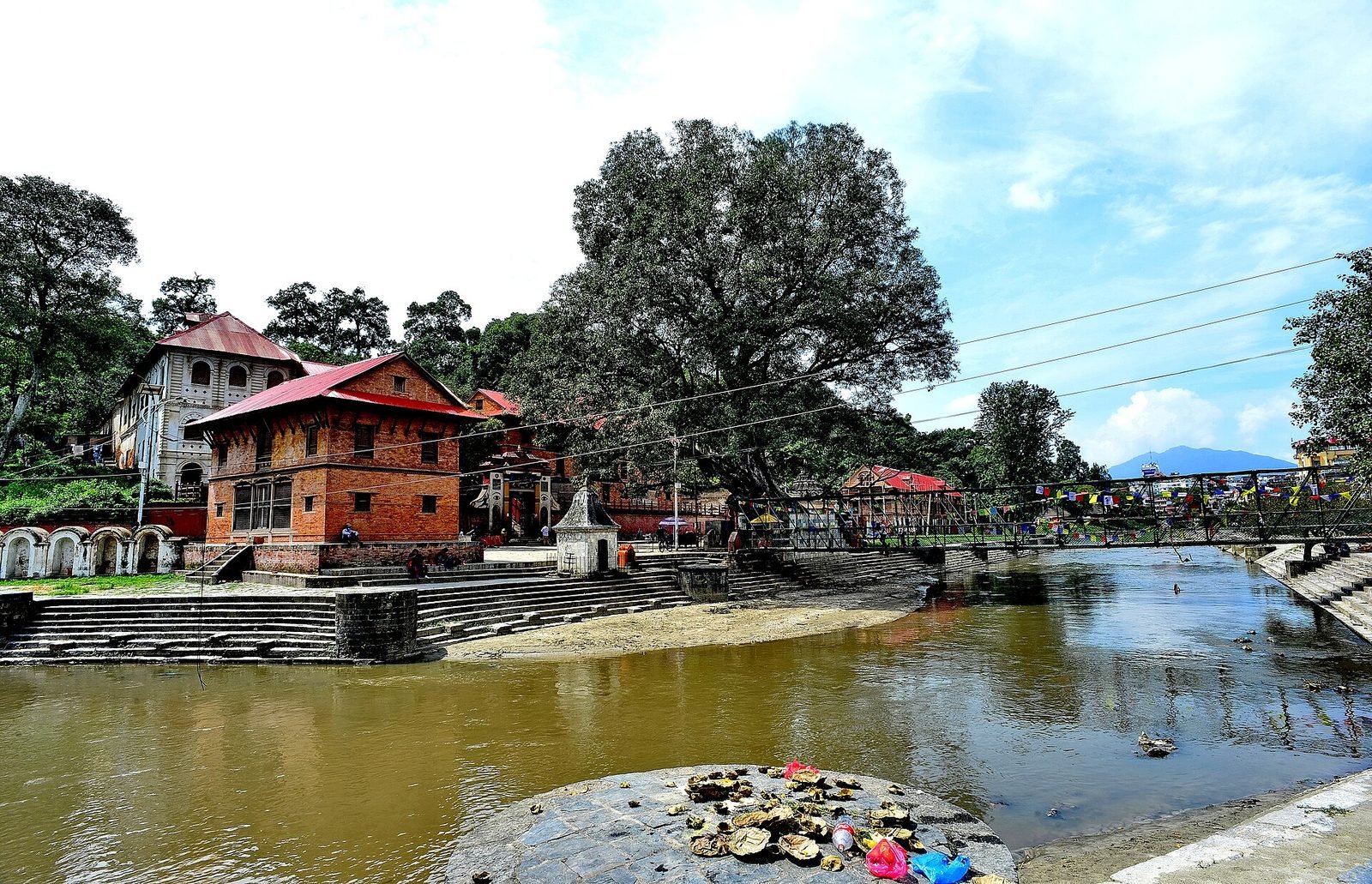
The Shakti Peethas mark the places where, in the story of Sati's grief and Shiva's Tandava, parts of the goddess's body are said to have fallen to earth. Different traditions count 51 or 108 such sites; each is worshipped as a seat of the Divine Mother in a distinct local form, from Kamakhya in Assam to Kalighat in Kolkata.
50 temples in this dataset mention this circuit.










Frequently asked questions about Shakti Peethas
What is Shakti Peethas?
The Shakti Peethas mark the places where, in the story of Sati's grief and Shiva's Tandava, parts of the goddess's body are said to have fallen to earth. Different traditions count 51 or 108 such sites; each is worshipped as a seat of the Divine Mother in a distinct local form, from Kamakhya in Assam to Kalighat in Kolkata.
How many Shakti Peethas temples are listed in this dataset?
50 at the time this page was generated: Sri Mallikarjuna Swamy Temple, Srisailam, Kamakhya Temple, Patan Devi Temple, Mangala Gauri Temple, Danteshwari Temple, Mahamaya Devi Temple, Chhatarpur Temple, Kalkaji Mandir, Ambaji Temple, Kalika Mata Temple, Bhadrakali Temple, Shri Mata Mansa Devi Temple, Panchkula, Jwala Ji Temple, Chintpurni Temple, Naina Devi Temple, Bhimakali Temple, Chamunda Devi Temple, Amarnath Cave Temple, Baidyanath Temple (Baba Dham), Chhinnamasta Temple, Rajrappa, Chamundeshwari Temple, Mysore, Harsiddhi Mata Mandir, Maa Sharda Devi Temple, Kalmadhav Devi Temple, Shree Mahalakshmi (Ambabai) Temple, Yogeshwari Devi Temple, Nartiang Durga Temple, Shree Jagannath Temple, Vimala Temple, Biraja Temple, Maa Tarini Temple, Tara Tarini Temple, Devi Talab Mandir, Kamakshi Amman Temple, Kanchipuram, Kumari Amman Temple (Kanyakumari Bhagavathy Amman Temple), Tripura Sundari Temple, Vishalakshi Temple, Vindhyavasini Temple, Devi Patan Temple, Alopi Devi Mandir, Shakumbhari Devi Temple, Naina Devi Temple, Nainital, Kalighat Kali Temple, Tara Maa Temple, Tarapith, Bakreshwar Temple, Bhramari Devi Temple, Attahas Temple, Nalhateshwari Temple, Kiriteshwari Temple, Guhyeshwari Temple.
Which states are represented?
Andhra Pradesh, Assam, Bihar, Chhattisgarh, Delhi, Gujarat, Haryana, Himachal Pradesh, Jammu & Kashmir, Jharkhand, Karnataka, Madhya Pradesh, Maharashtra, Meghalaya, Nepal, Odisha, Punjab, Tamil Nadu, Tripura, Uttar Pradesh, Uttarakhand, West Bengal
Are the temples listed here open every day?
Most are, but a few, especially high-altitude shrines such as those in the Char Dham, open only for a defined pilgrimage season each year. Check each temple's own page for its specific schedule.
Do darshan hours differ between these temples?
Yes, considerably. Each temple sets its own hours; there is no single shared schedule across a circuit.
Is completing this circuit a formal religious requirement?
Traditions vary; for most of these circuits, visiting all member sites is a devotional custom rather than a strict requirement, though some pilgrims treat it as such.
What is the best order to visit these temples in?
This dataset doesn't prescribe a route. Most pilgrims plan by geography and season rather than a fixed sequence; each temple's own page includes how-to-reach details to help with logistics.
Will festival dates affect a visit to these temples?
Yes. Several of these sites see their heaviest crowds and most extended hours during specific annual festivals, noted on each temple's page.
Are entry fees charged at these temples?
Most offer free general darshan with an optional paid special-darshan queue; a few charge a standard entry ticket. See each temple's own page for specifics.
How was this list put together?
By matching each temple's recorded name, history, significance and festival details against this circuit's defining criteria. See the About page for the full sourcing methodology.