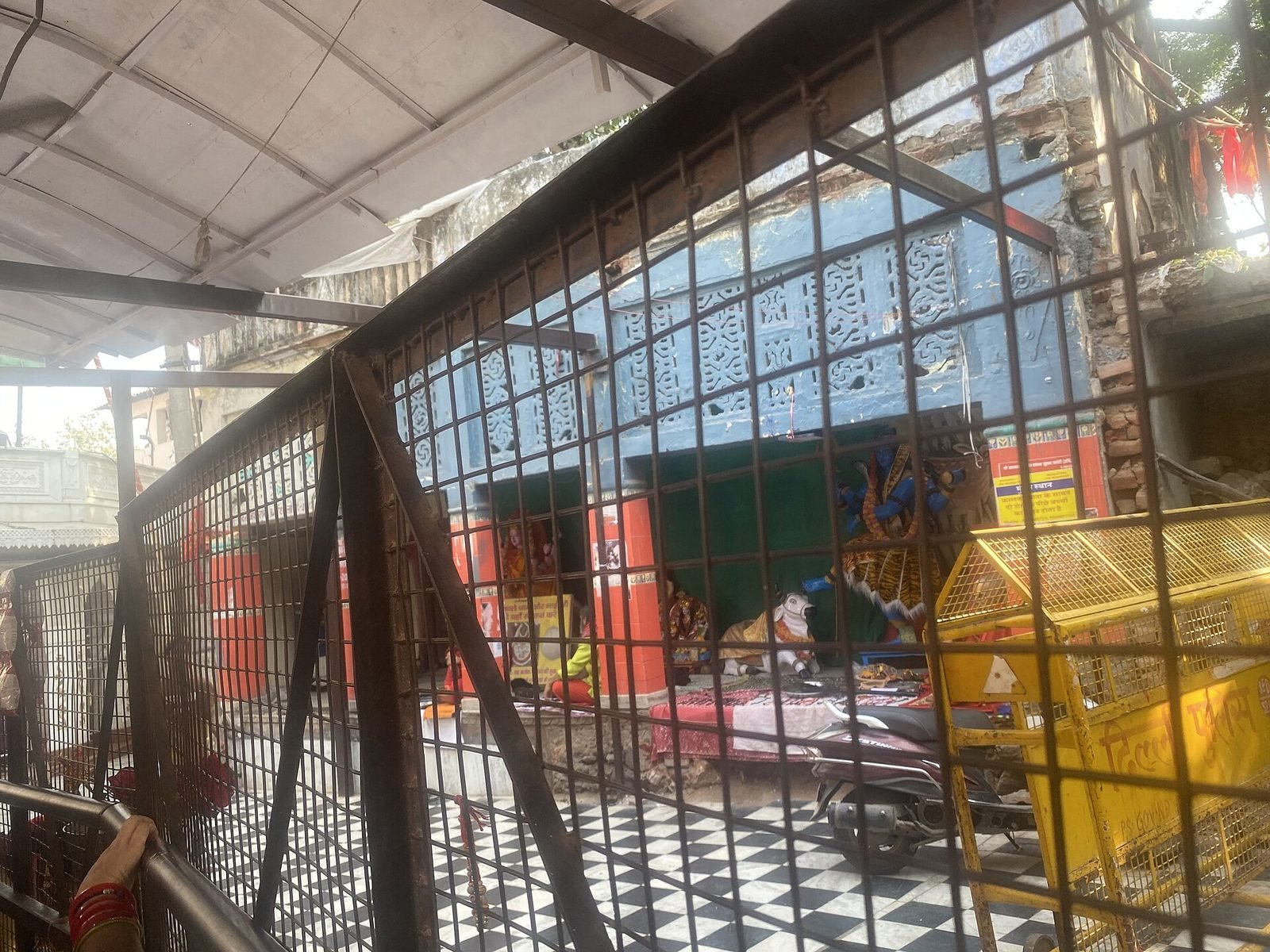
Kalkaji Mandir, New Delhi, Delhi
Photo: Immanuelle, CC BY 4.0, Wikimedia Commons

Kalkaji Mandir Timings

Kalkaji Mandir: 4:00 AM; closes 11:30 PM.

Kali, worshipped here as Kalka Devi · New Delhi, Delhi

Darshan hours (as published)
4:00 AM · Closes 11:30 PM
Open/closed status loads once the page finishes rendering.

Kalkaji Mandir stands in New Delhi, Delhi, is a shrine to Kali, worshipped here as Kalka Devi. It is also known as Kalka Devi Temple, Jayanti Peetha, Manokamna Siddha Peetha.

One tradition identifies Kalkaji as one of the 51 Shakti Peethas, holding that Sati's right foot fell here when Vishnu's Sudarshana Chakra separated her body as Shiva carried it in grief. The temple, also called Jayanti Peetha or Manokamna Siddha Peetha, is among the most visited Kali temples in Delhi and is believed to fulfil devotees' wishes. The documented construction of the current temple building dates to about 1764 CE under the Marathas, with further additions made in 1816 by Mirza Raja Kidar Nath during the reign of Akbar II.

Delhi carries a distinct temple identity of its own: The capital's spiritual landmarks, from the vast modern Swaminarayan Akshardham to the 1939 Birla Mandir and the sprawling Shakti shrine at Chhatarpur.

Darshan hours and daily worship

SessionTiming (as published)
Morning4:00 AM
EveningCloses 11:30 PM

The temple closes for bhog and cleaning from 3:00 PM to 4:00 PM. Morning aarti is around 6:30 to 7:00 AM and evening aarti around 8:30 to 9:00 PM, with brief closures around each aarti for the deity's bathing rituals.

Weekly or monthly auspicious daysSaturdays see especially heavy visitor numbers

Festivals and special-day timings

Regular darshan hours are usually extended, or set aside entirely, on these dates.

FestivalPeriodWhat happens
NavratriChaitra (March-April) and Sharad/Ashwin (September-October)The temple's busiest period, with a special fair organized around the temple and very heavy footfall

History and architecture

Built or establishedThe present structure dates to around 1764 CE, attributed to the Marathas, with additions made in 1816 by Mirza Raja Kidar Nath, the Peshkar (treasurer) of Mughal emperor Akbar II

Architecture

A twelve-sided sanctum built of black stone and marble, with a central chamber and doorways on each side, surrounded by a verandah and topped by a pyramidal tower; the complex is surrounded by several dharamshalas for pilgrims

History

The documented construction of the current temple building dates to about 1764 CE under the Marathas, with further additions made in 1816 by Mirza Raja Kidar Nath during the reign of Akbar II. Local tradition holds that the site's worship is far older, tracing it back to the Satya Yuga, though this ancient origin is a legendary claim rather than one that can be independently verified.

Planning your visit

NearbyLotus Temple, ISKCON Temple Delhi, Nehru Place market

How to reach

Kalkaji Mandir metro station, on the Violet and Magenta lines, is about 180 metres from the temple; the temple is located near Nehru Place in South Delhi.

Where this information comes from

Confidence: Medium. The temple's ancient Satya Yuga origin is a traditional and legendary claim that cannot be independently verified; the documented construction dates of 1764 and 1816 are better attested

Frequently asked questions about Kalkaji Mandir

What is the timing of Kalkaji Mandir?

Kalkaji Mandir: 4:00 AM; closes 11:30 PM. The temple closes for bhog and cleaning from 3:00 PM to 4:00 PM. Morning aarti is around 6:30 to 7:00 AM and evening aarti around 8:30 to 9:00 PM, with brief closures around each aarti for the deity's bathing rituals.

What are the darshan (visiting) hours at Kalkaji Mandir?

As published, morning darshan runs 4:00 AM and evening darshan runs Closes 11:30 PM. The temple closes for bhog and cleaning from 3:00 PM to 4:00 PM. Morning aarti is around 6:30 to 7:00 AM and evening aarti around 8:30 to 9:00 PM, with brief closures around each aarti for the deity's bathing rituals.

Which festivals are celebrated at Kalkaji Mandir?

The main ones documented for this temple are Navratri. See the festival table above for dates and what each involves.

How do I reach Kalkaji Mandir?

Kalkaji Mandir metro station, on the Violet and Magenta lines, is about 180 metres from the temple; the temple is located near Nehru Place in South Delhi.

Who is the presiding deity at Kalkaji Mandir?

Kali, worshipped here as Kalka Devi

What is the history of Kalkaji Mandir?

The documented construction of the current temple building dates to about 1764 CE under the Marathas, with further additions made in 1816 by Mirza Raja Kidar Nath during the reign of Akbar II.

What else is worth seeing near Kalkaji Mandir?

Lotus Temple, ISKCON Temple Delhi, Nehru Place market

Is Kalkaji Mandir known by any other name?

Yes, it is also called Kalka Devi Temple, Jayanti Peetha, Manokamna Siddha Peetha.

When was Kalkaji Mandir built?

The present structure dates to around 1764 CE, attributed to the Marathas, with additions made in 1816 by Mirza Raja Kidar Nath, the Peshkar (treasurer) of Mughal emperor Akbar II

How reliable is the information on this Kalkaji Mandir page?

This listing's confidence is rated medium. The temple's ancient Satya Yuga origin is a traditional and legendary claim that cannot be independently verified; the documented construction dates of 1764 and 1816 are better attested