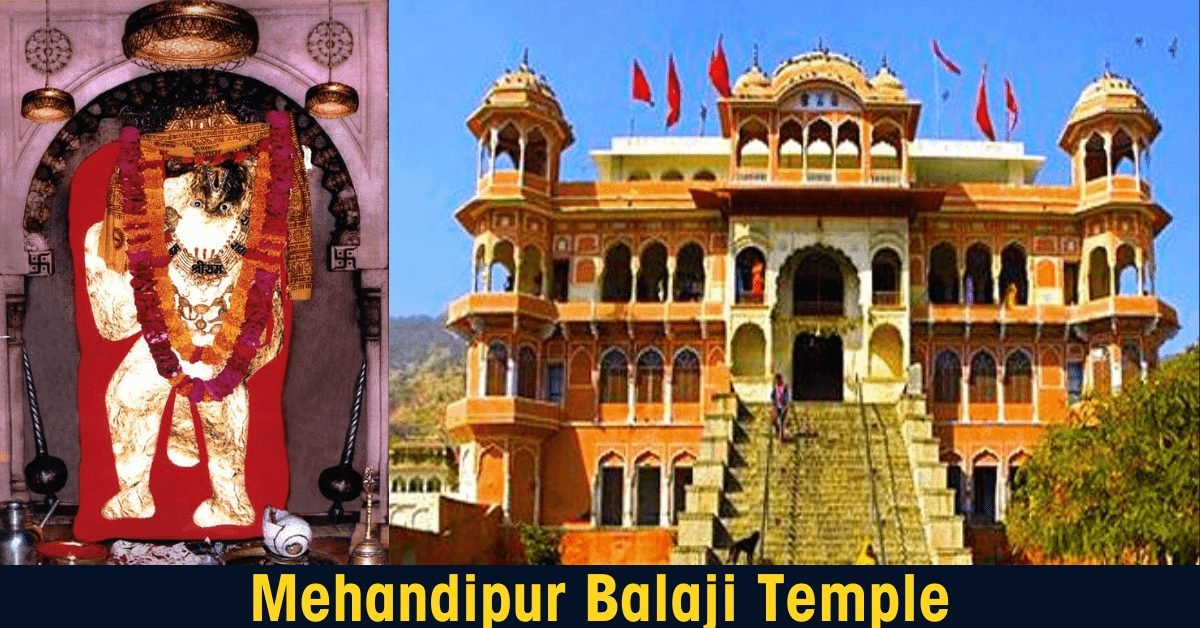
Mehandipur Balaji, Mehandipur, Rajasthan
Photo: VikramKaushik1976, CC BY-SA 4.0, Wikimedia Commons

Mehandipur Balaji Timings

Mehandipur Balaji is open 5:30 AM to 8:00 PM, daily.

Hanuman as Balaji, worshipped here together with Bhairav and Pretraj Sardar (referred to as the king of spirits) · Mehandipur, Rajasthan

HanumanMedium confidence
Darshan hours (as published)
5:30 AM - 8:00 PM (summer), 6:00 AM - 7:30 PM (winter)
Open/closed status loads once the page finishes rendering.

Mehandipur Balaji stands in Mehandipur, Rajasthan, is a shrine to Hanuman as Balaji, worshipped here together with Bhairav and Pretraj Sardar (referred to as the king of spirits). It is also known as Mehandipur Balaji Temple, Shri Balaji Dham Mehandipur.

Mehandipur Balaji is one of India's best known sites associated with the ritual treatment of possession and reputed black magic affliction. Unlike a typical darshan-focused temple, its atmosphere is shaped by pilgrims undergoing exorcism rituals such as arzi (a form of confession before the deity) in the temple courtyard. The practice has drawn academic and psychiatric interest, including a documented multi-institution study involving researchers from Germany, the Netherlands, AIIMS and the University of Delhi examining the healing rituals performed at the site. According to temple tradition, a mahant had a vision in which Hanuman appeared alongside Bhairav and Pretraj Sardar, instructing him to establish worship at the site and to serve those afflicted by evil spirits and unexplained ailments.

Rajasthan carries a distinct temple identity of its own: Desert-state temples of devotion and marble artistry, from the rare Brahma shrine at Pushkar to the haveli worship of Shrinathji and the lace-like Jain carvings of Dilwara.

Darshan hours and daily worship

SessionTiming (as published)
Morning5:30 AM - 8:00 PM (summer), 6:00 AM - 7:30 PM (winter)

The temple keeps a single continuous daily schedule rather than separate morning/evening opening blocks, with seasonal variation. Morning and evening aarti times also shift between summer (around 6:15-6:45 AM and 7:15-7:45 PM) and winter (around 6:35-7:05 PM for evening aarti). Confirm same-day timings before visiting.

Poojas and daily rituals

Daily aarti performed morning and evening, with seasonal timing shifts as noted above. Rituals distinctive to this temple include arzi and other exorcism-related practices performed by pilgrims themselves rather than priests.

History and architecture

Built or establishedTradition holds the site is roughly 1,000 years old; the present temple's establishment is credited to a mahant who is said to have received a divine vision

Architecture

A working shrine complex set in the Aravalli hills rather than a grand monumental structure, centred on the sanctum shared by the three presiding deities.

History

According to temple tradition, a mahant had a vision in which Hanuman appeared alongside Bhairav and Pretraj Sardar, instructing him to establish worship at the site and to serve those afflicted by evil spirits and unexplained ailments. Local legend places the origins around a thousand years ago, though the temple as known today developed over subsequent generations.

Planning your visit

Best time to visitCooler months (October to March) are more comfortable for travel; visitors should be aware the temple atmosphere includes loud, intense scenes associated with exorcism rituals, which some travellers may find unsettling.

How to reach

Nearest railway station is Bandikui Junction, about 34 km away, well connected to Delhi, Jaipur and Agra. Nearest airport is Jaipur International Airport, roughly 110 km away.

Where this information comes from

Confidence: Medium. Deity identities, the exorcism tradition, and the academic research collaboration are corroborated by Wikipedia; specific timings, entry fee, dress code, and festival calendar could not be confirmed from an official or highly authoritative source and are left blank or noted as approximate where sourced only from third-party travel blogs.

Frequently asked questions about Mehandipur Balaji

What is the timing of Mehandipur Balaji?

Mehandipur Balaji is open 5:30 AM to 8:00 PM, daily. The temple keeps a single continuous daily schedule rather than separate morning/evening opening blocks, with seasonal variation. Morning and evening aarti times also shift between summer (around 6:15-6:45 AM and 7:15-7:45 PM) and winter (around 6:35-7:05 PM for evening aarti). Confirm same-day timings before visiting.

What are the darshan (visiting) hours at Mehandipur Balaji?

As published, morning darshan runs 5:30 AM - 8:00 PM (summer), 6:00 AM - 7:30 PM (winter). The temple keeps a single continuous daily schedule rather than separate morning/evening opening blocks, with seasonal variation. Morning and evening aarti times also shift between summer (around 6:15-6:45 AM and 7:15-7:45 PM) and winter (around 6:35-7:05 PM for evening aarti). Confirm same-day timings before visiting.

What is the best time to visit Mehandipur Balaji?

Cooler months (October to March) are more comfortable for travel; visitors should be aware the temple atmosphere includes loud, intense scenes associated with exorcism rituals, which some travellers may find unsettling.

How do I reach Mehandipur Balaji?

Nearest railway station is Bandikui Junction, about 34 km away, well connected to Delhi, Jaipur and Agra. Nearest airport is Jaipur International Airport, roughly 110 km away.

Who is the presiding deity at Mehandipur Balaji?

Hanuman as Balaji, worshipped here together with Bhairav and Pretraj Sardar (referred to as the king of spirits)

What is the history of Mehandipur Balaji?

According to temple tradition, a mahant had a vision in which Hanuman appeared alongside Bhairav and Pretraj Sardar, instructing him to establish worship at the site and to serve those afflicted by evil spirits and unexplained ailments.

What poojas or aartis are performed daily at Mehandipur Balaji?

Daily aarti performed morning and evening, with seasonal timing shifts as noted above. Rituals distinctive to this temple include arzi and other exorcism-related practices performed by pilgrims themselves rather than priests.

Is Mehandipur Balaji known by any other name?

Yes, it is also called Mehandipur Balaji Temple, Shri Balaji Dham Mehandipur.

When was Mehandipur Balaji built?

Tradition holds the site is roughly 1,000 years old; the present temple's establishment is credited to a mahant who is said to have received a divine vision

How reliable is the information on this Mehandipur Balaji page?

This listing's confidence is rated medium. Deity identities, the exorcism tradition, and the academic research collaboration are corroborated by Wikipedia; specific timings, entry fee, dress code, and festival calendar could not be confirmed from an official or highly authoritative source and are left blank or noted as approximate where sourced only from third-party travel blogs.