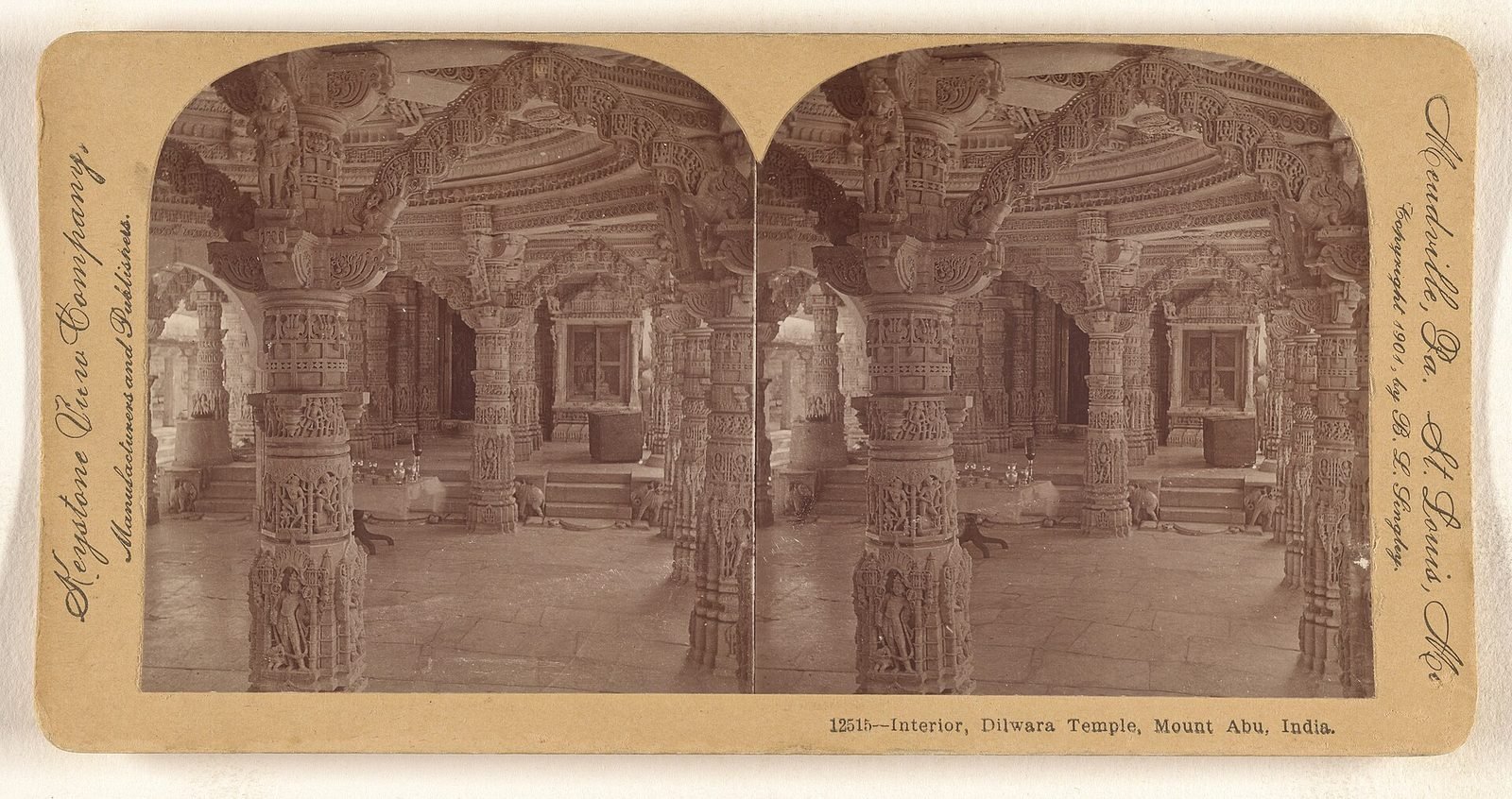
Dilwara Temples, Mount Abu, Rajasthan
Photo: Getty Museum, CC0, Wikimedia Commons

Dilwara Temples Timings

Dilwara Temples is open 12:00 PM to 6:00 PM, daily.

Jain Tirthankaras, the complex of five temples is dedicated to Adinath (Rishabhdev), Neminath, Rishabha/Adinath (Pittalhar), Parshvanath and Mahavira · Mount Abu, Rajasthan

Free entryHigh confidence
Darshan hours (as published)
Reserved for the Jain community (morning prayers approx 7:00-11:00 AM; Jains may enter from around 6:00 AM) · Tourists admitted 12:00 PM - 5:00/6:00 PM
Open/closed status loads once the page finishes rendering.

Set in Mount Abu, Rajasthan, Dilwara Temples is dedicated to Jain Tirthankaras, the complex of five temples is dedicated to Adinath (Rishabhdev), Neminath, Rishabha/Adinath (Pittalhar), Parshvanath and Mahavira. It is also known as Delvada Temples.

IMPORTANT: These are JAIN temples, not Hindu. They are considered among the finest examples of Jain marble architecture in the world, celebrated for craftsmanship so delicate the marble appears translucent. The Dilwara Temples were built between the 11th and 13th centuries by Jain ministers of the Chalukya/Solanki dynasty.

Rajasthan carries a distinct temple identity of its own: Desert-state temples of devotion and marble artistry, from the rare Brahma shrine at Pushkar to the haveli worship of Shrinathji and the lace-like Jain carvings of Dilwara.

Darshan hours and daily worship

SessionTiming (as published)
MorningReserved for the Jain community (morning prayers approx 7:00-11:00 AM; Jains may enter from around 6:00 AM)
EveningTourists admitted 12:00 PM - 5:00/6:00 PM

Tourists are generally not allowed inside before noon. Sources cite closing at either 5:00 PM or 6:00 PM; confirm locally. Visit before 2 PM for the best natural light on the carvings.

Poojas and daily rituals

Morning prayers for the Jain community (approx 7:00-11:00 AM)

History and architecture

Built or establishedBuilt between the 11th and 13th centuries (with some additions up to the 16th century) by Jain ministers of the Chalukya/Solanki dynasty

Architecture

Maru-Gurjara style carved from pristine white Arasuri marble, famous for extraordinarily intricate, lace-like carvings of ceilings, pillars, arches, arabesque and floral patterns, and figures of deities; comprises five temples set above 4,000 feet

History

The Dilwara Temples were built between the 11th and 13th centuries by Jain ministers of the Chalukya/Solanki dynasty. The oldest, the Vimal Vasahi (Adinath) temple, was largely built in 1026 by Vimal Shah, a minister of the Chaulukya king Bhima I. The Luna Vasahi (Neminath) temple was built in 1230 by the brothers Vastupal and Tejpal. Marble was transported from the Arasuri Hills near Ambaji, roughly 200 km away. The temples are now managed by Seth Shri Kalyanji Anandji Pedhi, Sirohi.

Planning your visit

Entry feeFree (donations welcome; local guides typically charge around Rs 300-500)
Dress codeModest clothing covering shoulders and knees; no shorts or clothing above the knee. Shoes and all leather items must be left outside. Photography is not allowed inside, and silence is requested; menstruating women are traditionally asked not to enter.
Best time to visitOctober to March, when Mount Abu is cool; midday (about 12-2 PM) gives the best light on the marble; avoid rainy days when marble paths are slippery
NearbyNakki Lake (about 3 km), Guru Shikhar, Toad Rock, Mount Abu Wildlife Sanctuary

How to reach

The temples lie about 2.5-3 km from Mount Abu town (and about 10 minutes from Nakki Lake). Nearest railway station is Abu Road (about 28 km); nearest airport is Udaipur (about 180-185 km). Taxis, jeeps and autos are available from town.

Where this information comes from

Confidence: High. History and architecture strongly corroborated; tourist closing time varies (5 PM vs 6 PM) between sources

Frequently asked questions about Dilwara Temples

What is the timing of Dilwara Temples?

Dilwara Temples is open 12:00 PM to 6:00 PM, daily. Tourists are generally not allowed inside before noon. Sources cite closing at either 5:00 PM or 6:00 PM; confirm locally. Visit before 2 PM for the best natural light on the carvings.

What are the darshan (visiting) hours at Dilwara Temples?

As published, morning darshan runs Reserved for the Jain community (morning prayers approx 7:00-11:00 AM; Jains may enter from around 6:00 AM) and evening darshan runs Tourists admitted 12:00 PM - 5:00/6:00 PM. Tourists are generally not allowed inside before noon. Sources cite closing at either 5:00 PM or 6:00 PM; confirm locally. Visit before 2 PM for the best natural light on the carvings.

Is there an entry fee at Dilwara Temples?

Free (donations welcome; local guides typically charge around Rs 300-500)

What is the dress code at Dilwara Temples?

Modest clothing covering shoulders and knees; no shorts or clothing above the knee. Shoes and all leather items must be left outside. Photography is not allowed inside, and silence is requested; menstruating women are traditionally asked not to enter.

What is the best time to visit Dilwara Temples?

October to March, when Mount Abu is cool; midday (about 12-2 PM) gives the best light on the marble; avoid rainy days when marble paths are slippery

How do I reach Dilwara Temples?

The temples lie about 2.5-3 km from Mount Abu town (and about 10 minutes from Nakki Lake). Nearest railway station is Abu Road (about 28 km); nearest airport is Udaipur (about 180-185 km). Taxis, jeeps and autos are available from town.

Who is the presiding deity at Dilwara Temples?

Jain Tirthankaras, the complex of five temples is dedicated to Adinath (Rishabhdev), Neminath, Rishabha/Adinath (Pittalhar), Parshvanath and Mahavira

What is the history of Dilwara Temples?

The Dilwara Temples were built between the 11th and 13th centuries by Jain ministers of the Chalukya/Solanki dynasty.

What poojas or aartis are performed daily at Dilwara Temples?

Morning prayers for the Jain community (approx 7:00-11:00 AM)

How reliable is the information on this Dilwara Temples page?

This listing's confidence is rated high. History and architecture strongly corroborated; tourist closing time varies (5 PM vs 6 PM) between sources