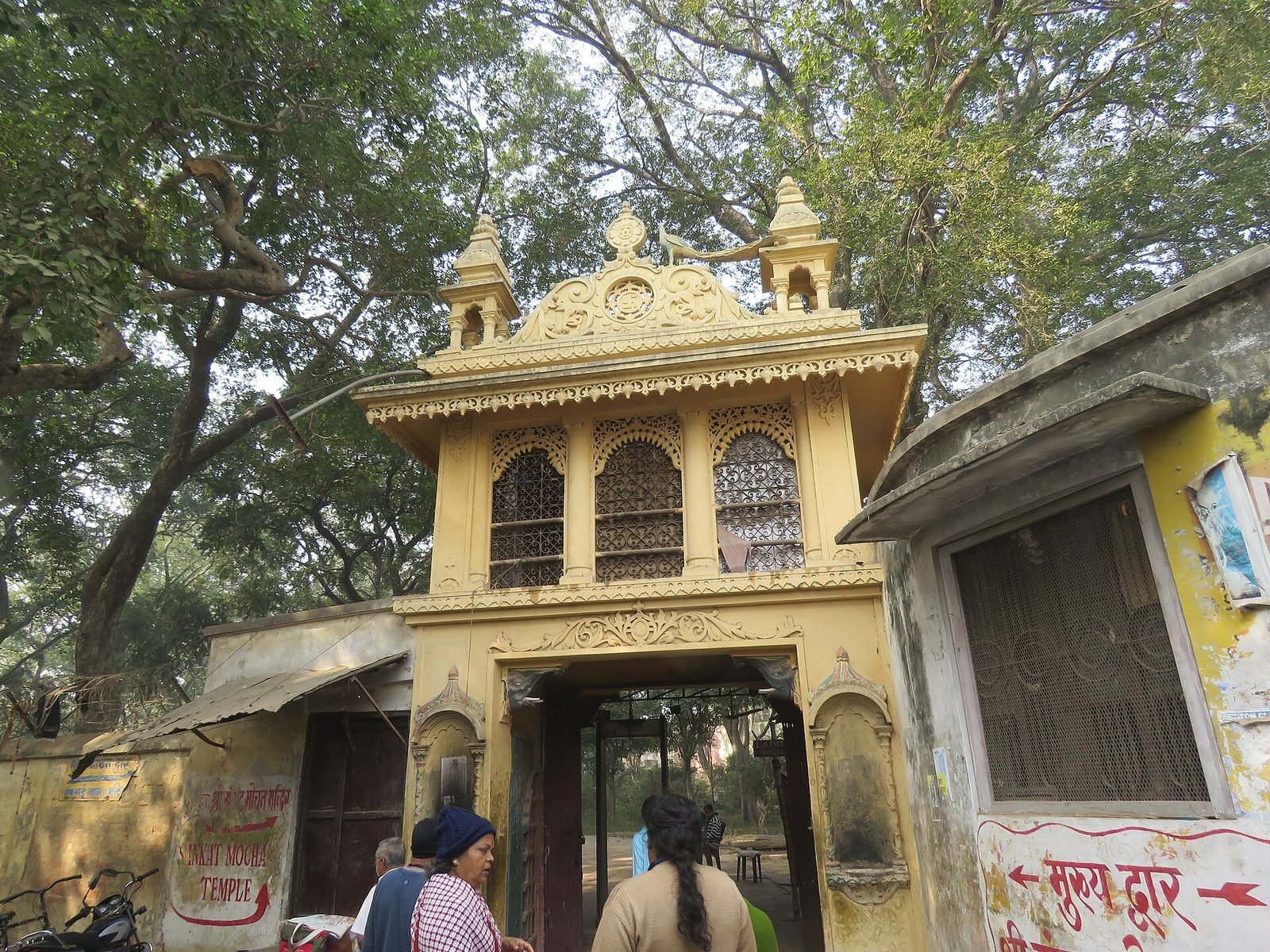
Set in Varanasi, Uttar Pradesh, Sankat Mochan Hanuman Temple honours Hanuman, worshipped here as Sankat Mochan (reliever of troubles); Rama is also venerated. It is also known as Sankat Mochan Mandir, Sankat Mochan Hanuman Mandir.
One of the most visited Hanuman temples in North India, believed to occupy the exact spot of Tulsidas's vision of Hanuman. Devotees, especially those seeking relief from Shani (Saturn) related astrological troubles, visit in large numbers on Tuesdays and Saturdays to recite the Hanuman Chalisa and Sundarkand, copies of which are provided free at the temple. According to tradition, Tulsidas, author of the Ramcharitmanas, had a vision of Hanuman at this spot on the banks of the Assi river and built the temple here in the early 16th century.
Uttar Pradesh carries a distinct temple identity of its own: The spiritual heartland of India, home to Kashi, the birthplaces of Rama and Krishna, and revered Shakti and Vaishnava shrines along the Ganga and Yamuna.
Darshan hours and daily worship
| Session | Timing (as published) |
|---|---|
| Morning | 5:00 AM - 11:30 AM |
| Evening | 3:00 PM - 11:00 PM |
Timings vary slightly between sources; some list near-continuous hours from roughly 4:30-5:00 AM to 10:00-11:00 PM, especially on Tuesdays and Saturdays when crowds and hours both extend. The figures above follow the Kashi city government's official listing.
Poojas and daily rituals
Devotees recite the Hanuman Chalisa and Sundarkand throughout the day (booklets provided free by the temple); morning and evening aartis are performed daily, with the largest gatherings on Tuesdays and Saturdays.
Festivals and special-day timings
Regular darshan hours are usually extended, or set aside entirely, on these dates.
| Festival | Period | What happens |
|---|---|---|
| Sankat Mochan Sangeet Samaroh | April (annual, multi-day) | A major classical Indian music and dance festival hosted at the temple since the early 20th century, drawing renowned musicians and dancers from across India. |
| Hanuman Jayanti | Chaitra Purnima (March/April) | Marks the birth of Hanuman and draws especially large crowds of devotees to the temple. |
History and architecture
Architecture
Hindu temple architecture, reshaped and enlarged in 1900; the sanctum houses an idol of Hanuman facing Rama
History
According to tradition, Tulsidas, author of the Ramcharitmanas, had a vision of Hanuman at this spot on the banks of the Assi river and built the temple here in the early 16th century. Much of the Ramcharitmanas is believed to have been composed at this site. In 1900, Pandit Madan Mohan Malaviya extended the temple premises, giving it the layout seen today. The Sankat Mochan Foundation, founded here in 1982 by then-Mahant Veer Bhadra Mishra, became known internationally for its work on cleaning the Ganges.
Planning your visit
How to reach
Located in Saket Nagar Colony near Assi Ghat and Banaras Hindu University (BHU), Lanka, about 11 km from Varanasi Junction (Varanasi Cantt) railway station. The nearest airport is Lal Bahadur Shastri Airport, Babatpur.
Where this information comes from
Confidence: Medium. Core history and festival details are well corroborated across Wikipedia, the Kashi government portal, and tourism sites, but exact daily opening and closing hours vary somewhat by source, so precise minute-level timings should be treated as approximate.