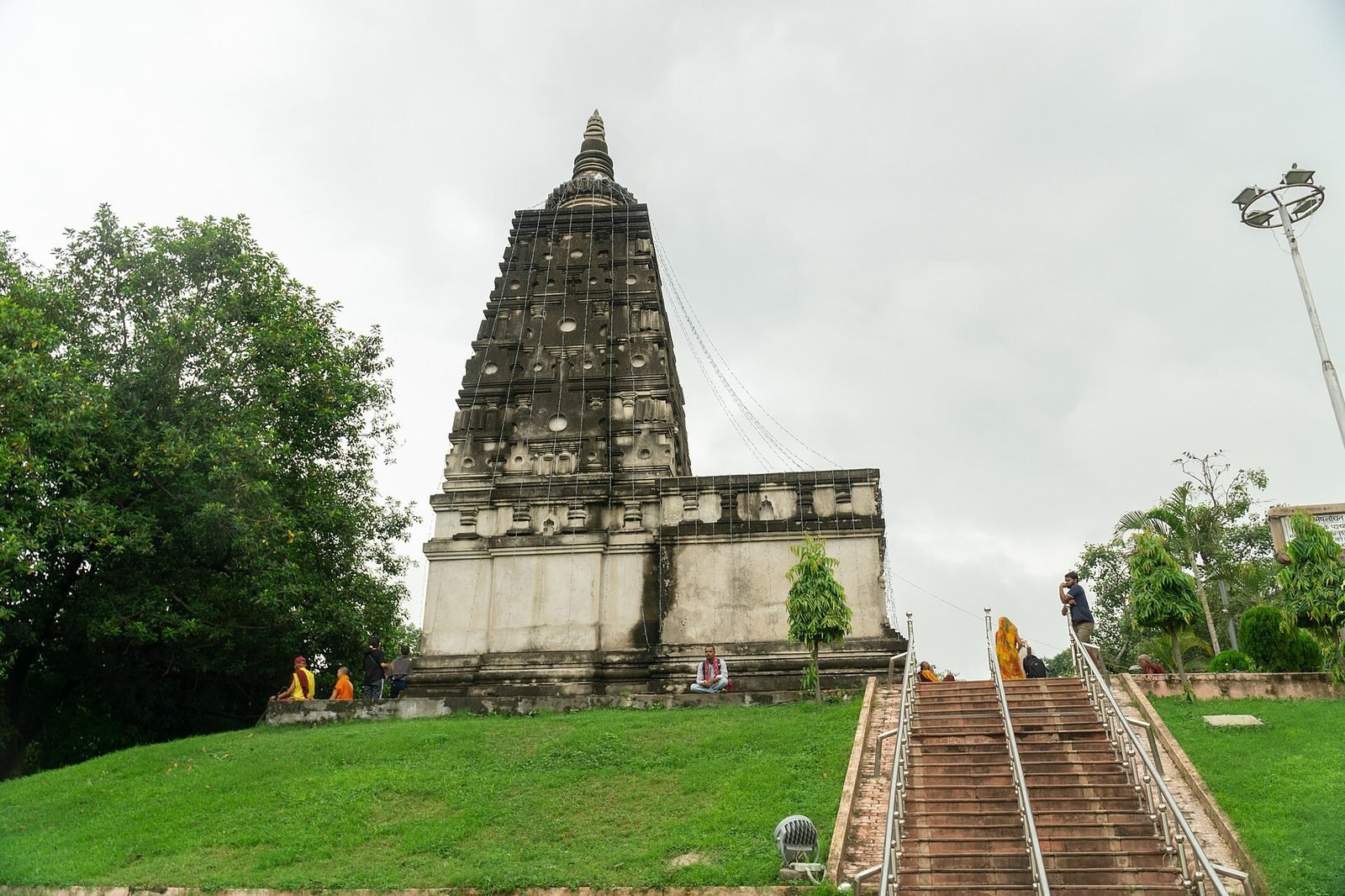
Mahabodhi Temple, Bodh Gaya, Bihar
Photo: Sumitsurai, CC BY-SA 4.0, Wikimedia Commons

Mahabodhi Temple Timings

Mahabodhi Temple is open 5:00 AM to 9:00 PM, daily.

Gautama Buddha (marks the site of his enlightenment; the adjoining Bodhi Tree is itself venerated) · Bodh Gaya, Bihar

Free entryHigh confidence
Darshan hours (as published)
5:00 AM - 9:00 PM (temple complex is open continuously through the day)
Open/closed status loads once the page finishes rendering.

In Bodh Gaya, Bihar, Mahabodhi Temple is a shrine to Gautama Buddha (marks the site of his enlightenment; the adjoining Bodhi Tree is itself venerated). It is also known as Mahabodhi Mahavihara, Great Awakening Temple.

The Mahabodhi Temple marks the exact spot where the Buddha is believed to have attained enlightenment and is considered the holiest of the four main Buddhist pilgrimage sites. It houses a descendant of the original Bodhi Tree and the Vajrasana (Diamond Throne), and was inscribed as a UNESCO World Heritage Site in June 2002 under cultural criteria (i), (ii), (iii), (iv) and (vi). Emperor Ashoka is said to have visited the site around 250 BCE, about two centuries after the Buddha's enlightenment, and built an early shrine here.

Bihar carries a distinct temple identity of its own: From Patna's mighty Hanuman shrine to the Kaimur hills' Mundeshwari, believed to be among the oldest functioning temples in the world.

Darshan hours and daily worship

SessionTiming (as published)
Morning5:00 AM - 9:00 PM (temple complex is open continuously through the day)

Sources broadly agree the complex is open 5:00 AM to 9:00 PM daily; a few travel sites mention a brief midday lull, but this is not confirmed by the official Bodhgaya Temple Management Committee site, so treat the exact break, if any, as unverified.

Poojas and daily rituals

Daily rituals include sutta chanting and meditation around 5:30-6:00 AM, a kheer (rice pudding) offering around 10:00 AM, Mahayana tradition chanting around 6:00-6:30 PM, and Pali sutta chanting around 6:30-7:00 PM, per the official BTMC website.

Weekly or monthly auspicious daysFull moon (Purnima) days hold special significance for worship and ceremonies at the temple.
Signature annual eventsThe Kagyu Monlam Prayer Festival, an annual winter gathering of Tibetan Buddhist monks and pilgrims, is widely held in Bodh Gaya, though exact dates and scale should be confirmed for each year via monastery or BTMC announcements.

Festivals and special-day timings

Regular darshan hours are usually extended, or set aside entirely, on these dates.

FestivalPeriodWhat happens
Buddha Purnima (Buddha Jayanti)Vaisakh full moon, typically MayCommemorates the birth, enlightenment, and death of the Buddha; one of the most significant days for worship at the temple.
Kathina Chivar DanaOctoberA robe-offering ceremony for the monastic community, part of the temple's annual puja calendar.
Bodh MahotsavAnnual, per BTMC calendarA major annual festival event listed on the official temple's puja calendar.

History and architecture

Built or establishedOriginal shrine traced to around 250 BCE under Emperor Ashoka; the present pyramidal structure dates to the Gupta Empire, 5th to 6th century CE

Architecture

Stepped pyramidal shikhara built of brick with stucco covering, central tower about 55 metres tall, topped by a hemispherical stupa and finials, enclosed by stone railings (older sandstone sections from the Sunga period, newer granite sections from the Gupta period)

History

Emperor Ashoka is said to have visited the site around 250 BCE, about two centuries after the Buddha's enlightenment, and built an early shrine here. The current temple structure dates to the Gupta era (5th to 6th century CE). The site fell under Buddhist control until the 13th century, when it was damaged by Turkic invasions, after which a line of Hindu Saivite Mahants administered it from 1590. A 19th century restoration campaign, led by Anagarika Dharmapala from 1891, sought to return the site to Buddhist custodianship, and the Bihar government created the Bodhgaya Temple Management Committee (BTMC) under the Bodh Gaya Temple Act of 1949, with joint Hindu Buddhist management formally handed over on 23 May 1953.

Planning your visit

Entry feeFree entry to the temple complex.
Dress codeModest clothing covering shoulders and knees is recommended; shoes must be removed before entering the main shrine areas, with free shoe storage available.
Best time to visitOctober to March, when Bihar's weather is cooler and more pleasant; early morning or evening visits tend to have a calmer atmosphere and fewer crowds. April to June is best avoided due to extreme heat.
NearbyThe 25-metre Great Buddha Statue, Thai, Japanese, and Tibetan monasteries in Bodh Gaya, the Dungeshwari (Mahakala) Caves associated with the Buddha's pre-enlightenment austerities, and Muchalinda Lake.

How to reach

The nearest airport is Gaya Airport, about 7 km away (Patna Airport is an alternative at roughly 135 km); the nearest railway station is Gaya Junction, about 17 km away, per the official Bodhgaya Temple Management Committee website. Bodh Gaya is also well connected by road to Gaya, Patna, Nalanda, and Rajgir.

Where this information comes from

Confidence: High. Core history, UNESCO status, and architecture are corroborated across Wikipedia, UNESCO's own listing (whc.unesco.org/en/list/1056), and the official BTMC website. Daily ritual times and distances come from the official site; a couple of third-party travel sites give slightly different distance figures (e.g. 11-16 km vs the official 7-17 km) and one mentions an unverified midday closure and photography fees, which were excluded pending confirmation.

Frequently asked questions about Mahabodhi Temple

What is the timing of Mahabodhi Temple?

Mahabodhi Temple is open 5:00 AM to 9:00 PM, daily. Sources broadly agree the complex is open 5:00 AM to 9:00 PM daily; a few travel sites mention a brief midday lull, but this is not confirmed by the official Bodhgaya Temple Management Committee site, so treat the exact break, if any, as unverified.

What are the darshan (visiting) hours at Mahabodhi Temple?

As published, morning darshan runs 5:00 AM - 9:00 PM (temple complex is open continuously through the day). Sources broadly agree the complex is open 5:00 AM to 9:00 PM daily; a few travel sites mention a brief midday lull, but this is not confirmed by the official Bodhgaya Temple Management Committee site, so treat the exact break, if any, as unverified.

Is there an entry fee at Mahabodhi Temple?

Free entry to the temple complex.

What is the dress code at Mahabodhi Temple?

Modest clothing covering shoulders and knees is recommended; shoes must be removed before entering the main shrine areas, with free shoe storage available.

Which festivals are celebrated at Mahabodhi Temple?

The main ones documented for this temple are Buddha Purnima (Buddha Jayanti), Kathina Chivar Dana, Bodh Mahotsav. See the festival table above for dates and what each involves.

What is the best time to visit Mahabodhi Temple?

October to March, when Bihar's weather is cooler and more pleasant; early morning or evening visits tend to have a calmer atmosphere and fewer crowds. April to June is best avoided due to extreme heat.

How do I reach Mahabodhi Temple?

The nearest airport is Gaya Airport, about 7 km away (Patna Airport is an alternative at roughly 135 km); the nearest railway station is Gaya Junction, about 17 km away, per the official Bodhgaya Temple Management Committee website. Bodh Gaya is also well connected by road to Gaya, Patna, Nalanda, and Rajgir.

Who is the presiding deity at Mahabodhi Temple?

Gautama Buddha (marks the site of his enlightenment; the adjoining Bodhi Tree is itself venerated)

What is the history of Mahabodhi Temple?

Emperor Ashoka is said to have visited the site around 250 BCE, about two centuries after the Buddha's enlightenment, and built an early shrine here.

How reliable is the information on this Mahabodhi Temple page?

This listing's confidence is rated high. Core history, UNESCO status, and architecture are corroborated across Wikipedia, UNESCO's own listing (whc.unesco.org/en/list/1056), and the official BTMC website. Daily ritual times and distances come from the official site; a couple of third-party travel sites give slightly different distance figures (e.g. 11-16 km vs the official 7-17 km) and one mentions an unverified midday closure and photography fees, which were excluded pending confirmation.