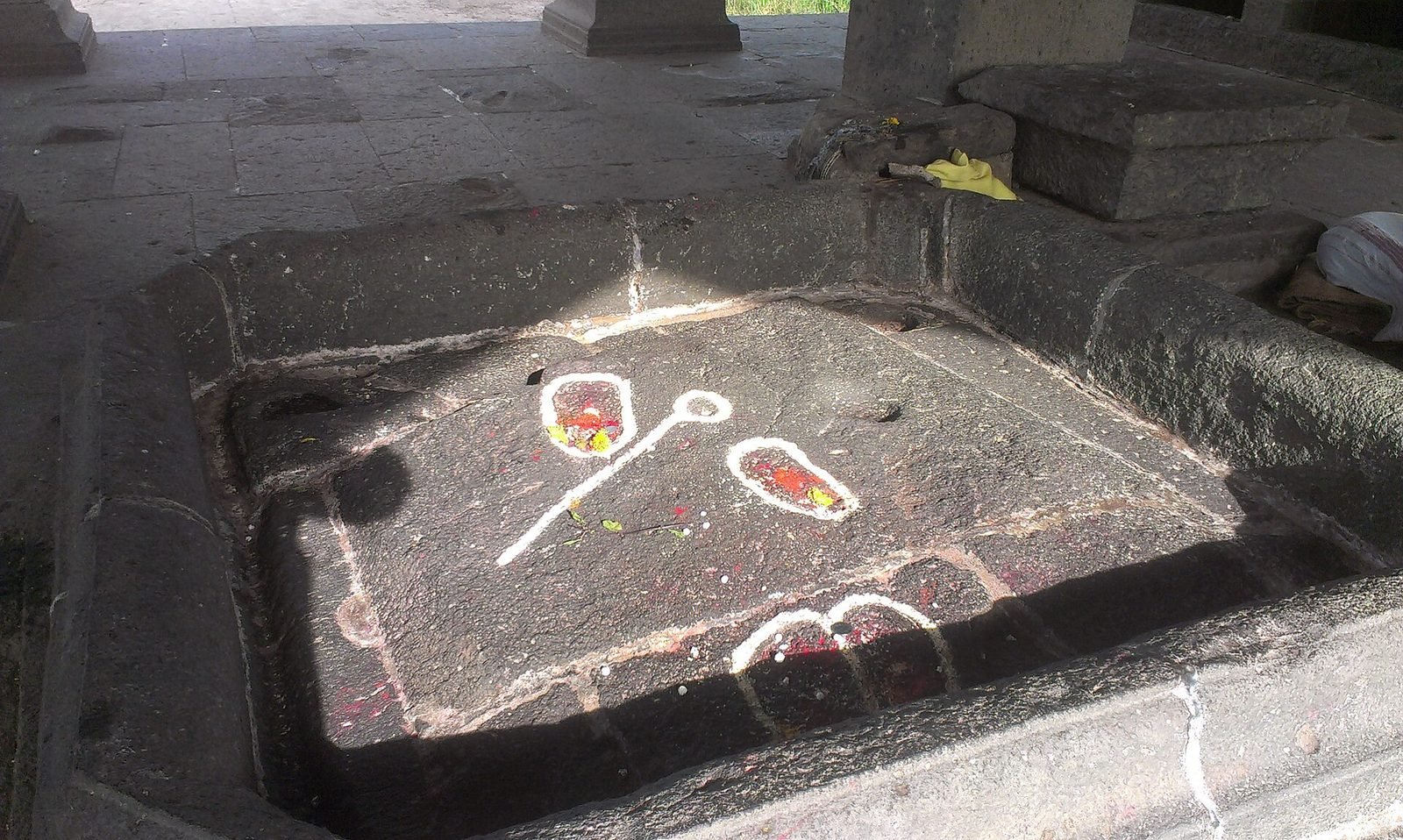
Set in Gaya, Bihar, Vishnupad Temple honours Lord Vishnu, worshipped in the form of a footprint (Vishnupad). It is also known as Shri Vishnupad Mandir.
One of the most important Vishnu temples in India and the principal site within Gaya Kshetra for the Hindu ancestral rite of Pind Daan and Shraddha, believed to grant liberation (moksha) to ancestors through rituals performed here Tradition holds that Lord Vishnu placed his foot on the chest of the demon Gayasura here, subduing him and leaving his footprint in the rock.
Bihar carries a distinct temple identity of its own: From Patna's mighty Hanuman shrine to the Kaimur hills' Mundeshwari, believed to be among the oldest functioning temples in the world.
Darshan hours and daily worship
| Session | Timing (as published) |
|---|---|
| Morning | 6:30 AM |
| Evening | 7:30 PM |
Early morning hours (6 AM to 9 AM) are recommended for a quieter darshan and shorter queues
Poojas and daily rituals
Pind Daan and Shraddha rituals for ancestors, traditionally performed by hereditary Gayawal Pandit priests, usually as part of a sequence of rites also performed at the Falgu River and the Akshaya Vat banyan tree
Festivals and special-day timings
Regular darshan hours are usually extended, or set aside entirely, on these dates.
| Festival | Period | What happens |
|---|---|---|
| Pitru Paksha | 16-day lunar fortnight in Bhadrapada (September-October) | The most significant period for performing Pind Daan and ancestral rites at the temple, drawing large numbers of pilgrims from across India |
History and architecture
Architecture
Octagonal shrine with a 100-foot pyramidal tower with sloping, indented sides, built from large gray granite blocks joined with iron clamps; the interior has eight rows of carved pillars supporting a pavilion, and the central sanctum holds a 40 cm long footprint of Vishnu set within a silver-plated basin
History
Tradition holds that Lord Vishnu placed his foot on the chest of the demon Gayasura here, subduing him and leaving his footprint in the rock. Gayasura is said to have prayed that the spot become the ultimate place for ancestral rites, and Vishnu granted this boon, declaring the site 'Vishnupad' within the sacred Gaya Kshetra. The present temple structure was built by Rani Ahilyabai Holkar of Indore in 1787, with craftsmen brought from Rajasthan and stone sourced locally from the Bathani area of Gaya district.
Planning your visit
How to reach
Located in Gaya city, Bihar, well connected by rail via Gaya Junction and by road; Gaya Airport also serves the city
Where this information comes from
Confidence: High. Core historical, architectural and ritual facts are corroborated across Wikipedia and multiple independent travel sources