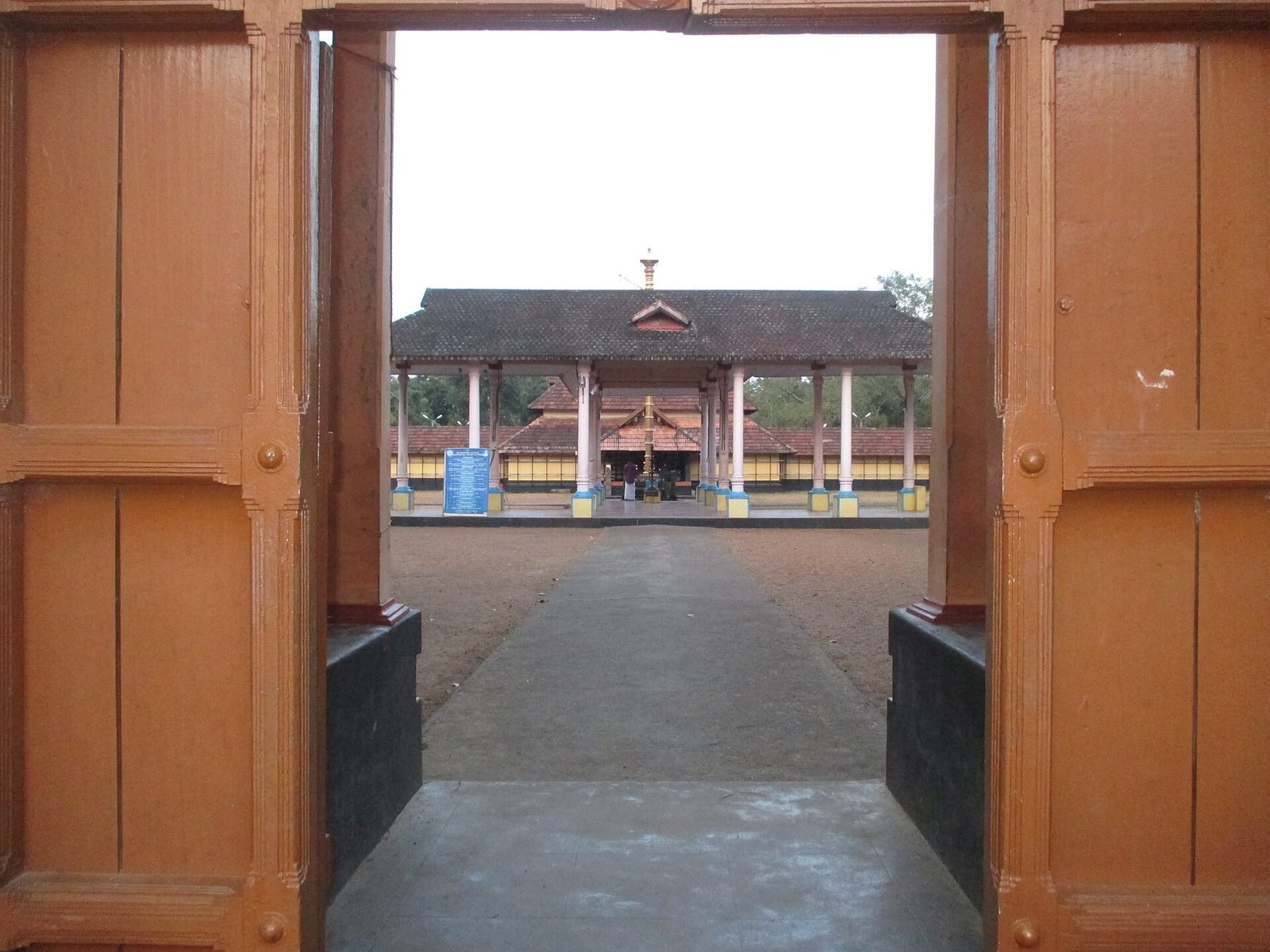
In Thiruvanvandoor, Kerala, Thiruvanvandoor Mahavishnu Temple (Pambanaiappan Temple) honours Paambanaiyappan Perumal (Vishnu), with consort Kamalavalli Nachiyar. It is also known as Thiruvanvandoor Sree Mahavishnu Temple, Sri Paambanaiyappa Perumal Temple.
The temple is one of the 108 Divya Desams, the Vishnu temples glorified in the Naalayira Divya Prabandham composed by the Alvar poet-saints; it is glorified in hymns by Nammalvar. It is also counted among the five ancient Pandava era shrines of the Chengannur area in Kerala. The temple's earliest literary references appear in the hymns of the Alvar saint Nammalvar, composed around 800 CE.
Kerala carries a distinct temple identity of its own: God's Own Country, where copper-roofed shrines and centuries-old rituals draw pilgrims to Vishnu, Krishna and Ayyappa.
Darshan hours and daily worship
| Session | Timing (as published) |
|---|---|
| Morning | 5:00 AM to 11:00 AM |
| Evening | 5:00 PM to 7:45 PM |
Timings may be extended or curtailed for special rituals, and the temple closes during a Grahanam (eclipse). Sources vary slightly on the exact closing minute in the evening.
Festivals and special-day timings
Regular darshan hours are usually extended, or set aside entirely, on these dates.
| Festival | Period | What happens |
|---|---|---|
| Annual 51 day festival | Culminates around January or February | Marks the installation of the Sreekrishna idol; concludes with Gajamela, a procession of caparisoned elephants, Puranic theme floats, and performances including Krishnanattam, Panchavadyam, and Kathakali |
| Chithira Thiruvonam | April or May | Festival day observed at the temple, timed to the Thiruvonam asterism in the Malayalam month of Chithira |
History and architecture
Architecture
Kerala style temple architecture with a circular granite and laterite sreekovil under a conical terracotta tile roof, a two storey gopuram with a kottupura (drum hall) on its upper level, a metal plated flagpost, and wood and stucco carvings depicting scenes from the Ramayana and Mahabharata; wall paintings inside date to the early 18th century
History
The temple's earliest literary references appear in the hymns of the Alvar saint Nammalvar, composed around 800 CE. Local tradition holds it as one of five ancient shrines around Chengannur, in the Pamba river region, said to have been built by the five Pandava brothers of the Mahabharata after crowning Parikshit as king of Hastinapura; this temple is attributed to Nakula. The other four shrines in the group are Thrichittatt Maha Vishnu Temple (Yudhishthira), Puliyur Mahavishnu Temple (Bhima), Aranmula Parthasarathy Temple (Arjuna), and Thrikodithanam Mahavishnu Temple (Sahadeva). An alternative tradition credits sage Bhrigu with consecrating the temple. The deity's name, Paambanaiyappan, derives from the nearby Pamba river.
Planning your visit
How to reach
Nearest railway station is Chengannur; nearest airport is Trivandrum International Airport
Where this information comes from
Confidence: Medium. Timings and festival dates vary slightly between sources and were not confirmed against an official temple or Devaswom Board notice