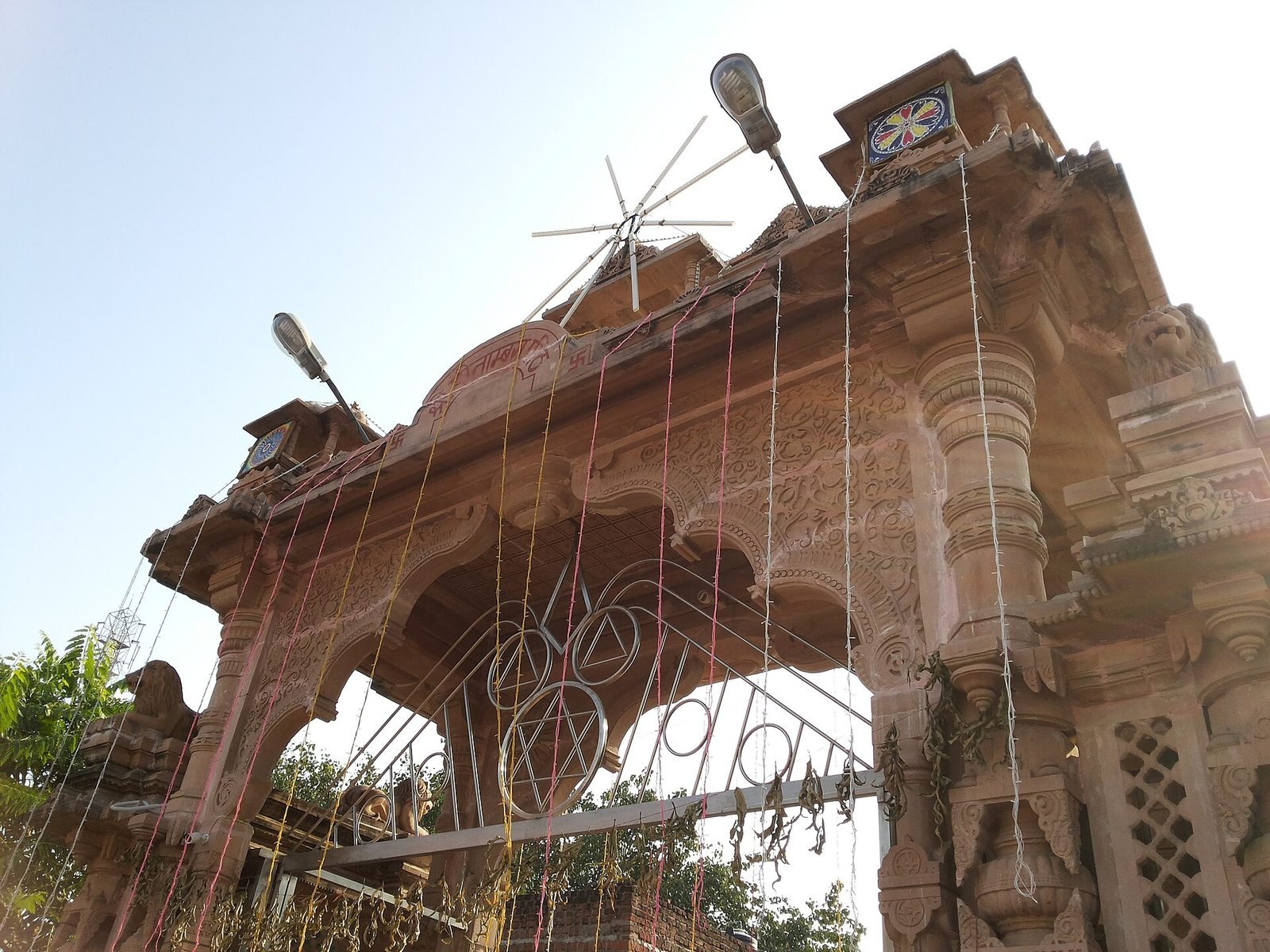
Pitambara Peeth, Datia, Madhya Pradesh
Photo: Work2win, CC BY-SA 4.0, Wikimedia Commons

Pitambara Peeth Timings

Pitambara Peeth: 5:00 AM on Mondays; 6:00 AM on other days; closes around 9:00 to 9:30 PM.

Baglamukhi, also known as Pitambara Devi · Datia, Madhya Pradesh

DeviFree entryMedium confidence
Darshan hours (as published)
5:00 AM on Mondays; 6:00 AM on other days · Closes around 9:00 to 9:30 PM
Open/closed status loads once the page finishes rendering.

Pitambara Peeth stands in Datia, Madhya Pradesh, is dedicated to Baglamukhi, also known as Pitambara Devi. It is also known as Shri Baglamukhi Dham, Datia Peeth.

Pitambara Peeth is one of India's most prominent shrines to Baglamukhi, the eighth of the ten Mahavidyas, worshipped particularly for stambhana, the power to still or restrain an opponent, which has made the temple especially popular with litigants, politicians and those seeking protection from adversaries. The shrine was established by a saint known simply as Swami Ji Maharaj, who never disclosed his name, family or birthplace.

Madhya Pradesh carries a distinct temple identity of its own: The heart of India, home to two of the twelve Jyotirlingas, the UNESCO-listed temples of Khajuraho, and the hilltop Shakti shrine of Maihar.

Darshan hours and daily worship

SessionTiming (as published)
Morning5:00 AM on Mondays; 6:00 AM on other days
EveningCloses around 9:00 to 9:30 PM

There is a midday closure of roughly 12:00 PM to 2:00 PM. The Dhumavati Mata shrine within the complex opens only on Saturdays, from about 7:15 to 9:00 AM and 5:00 to 8:00 PM, and is traditionally restricted to men and widowed women, with married women barred from entry.

Poojas and daily rituals

Anushthans and havans are arranged in person with temple priests and the temple office; no verified official online booking exists

Weekly or monthly auspicious daysSaturdays are considered especially significant for Baglamukhi and Dhumavati worship

Festivals and special-day timings

Regular darshan hours are usually extended, or set aside entirely, on these dates.

FestivalPeriodWhat happens
NavratriChaitra (March-April) and Sharad/Ashwin (September-October)A major gathering period at the temple with special aartis and extended timings
Baglamukhi JayantiThe goddess's appearance day, marked with shifted temple timings and special observances

History and architecture

Built or establishedFounded in the period 1929 to 1935 by Swami Ji Maharaj (revered as Brahmaleen Pujyapaad Rashtraguru Anant Shree Vibhushit Swami Ji), who arrived in Datia on 9 July 1929; the main Baglamukhi deity was installed in 1935

History

The shrine was established by a saint known simply as Swami Ji Maharaj, who never disclosed his name, family or birthplace. He settled in Datia in 1929, installed the Baglamukhi deity in 1935, and also established a shrine to the goddess Dhumavati within the same ashram complex. He remained at Datia until his samadhi in 1979. Local administrative records note that popular claims linking the temple's founding to the Datia maharajas are not accurate.

Planning your visit

Entry feeFree; the shrine does not accept cash offerings from devotees
Dress codeConservative dress is expected, such as sarees or salwar-kameez for women; yellow clothing is customary but not required; phones and cameras must be deposited outside and footwear left outside
Best time to visitOctober to March, avoiding the extreme summer heat of the Bundelkhand region; weekday mornings are quieter than Saturdays
NearbyDatia Palace (Bir Singh Deo Palace), Sonagiri Jain temple complex, Unao Balaji Sun Temple (about 15 km away)

How to reach

Datia railway station is 2 to 3 km from the temple on the Delhi-Bhopal railway line; Jhansi is about 25 to 30 km away; the nearest airport is Gwalior, roughly 75 km away; the town lies on National Highway 44.

Where this information comes from

Confidence: Medium. The exact date of Baglamukhi Jayanti was not verified, and detailed founding and rule information relies primarily on a single in-depth source

Frequently asked questions about Pitambara Peeth

What is the timing of Pitambara Peeth?

Pitambara Peeth: 5:00 AM on Mondays; 6:00 AM on other days; closes around 9:00 to 9:30 PM. There is a midday closure of roughly 12:00 PM to 2:00 PM. The Dhumavati Mata shrine within the complex opens only on Saturdays, from about 7:15 to 9:00 AM and 5:00 to 8:00 PM, and is traditionally restricted to men and widowed women, with married women barred from entry.

What are the darshan (visiting) hours at Pitambara Peeth?

As published, morning darshan runs 5:00 AM on Mondays; 6:00 AM on other days and evening darshan runs Closes around 9:00 to 9:30 PM. There is a midday closure of roughly 12:00 PM to 2:00 PM. The Dhumavati Mata shrine within the complex opens only on Saturdays, from about 7:15 to 9:00 AM and 5:00 to 8:00 PM, and is traditionally restricted to men and widowed women, with married women barred from entry.

Is there an entry fee at Pitambara Peeth?

Free; the shrine does not accept cash offerings from devotees

What is the dress code at Pitambara Peeth?

Conservative dress is expected, such as sarees or salwar-kameez for women; yellow clothing is customary but not required; phones and cameras must be deposited outside and footwear left outside

Which festivals are celebrated at Pitambara Peeth?

The main ones documented for this temple are Navratri, Baglamukhi Jayanti. See the festival table above for dates and what each involves.

What is the best time to visit Pitambara Peeth?

October to March, avoiding the extreme summer heat of the Bundelkhand region; weekday mornings are quieter than Saturdays

How do I reach Pitambara Peeth?

Datia railway station is 2 to 3 km from the temple on the Delhi-Bhopal railway line; Jhansi is about 25 to 30 km away; the nearest airport is Gwalior, roughly 75 km away; the town lies on National Highway 44.

Who is the presiding deity at Pitambara Peeth?

Baglamukhi, also known as Pitambara Devi

What is the history of Pitambara Peeth?

The shrine was established by a saint known simply as Swami Ji Maharaj, who never disclosed his name, family or birthplace.

How reliable is the information on this Pitambara Peeth page?

This listing's confidence is rated medium. The exact date of Baglamukhi Jayanti was not verified, and detailed founding and rule information relies primarily on a single in-depth source