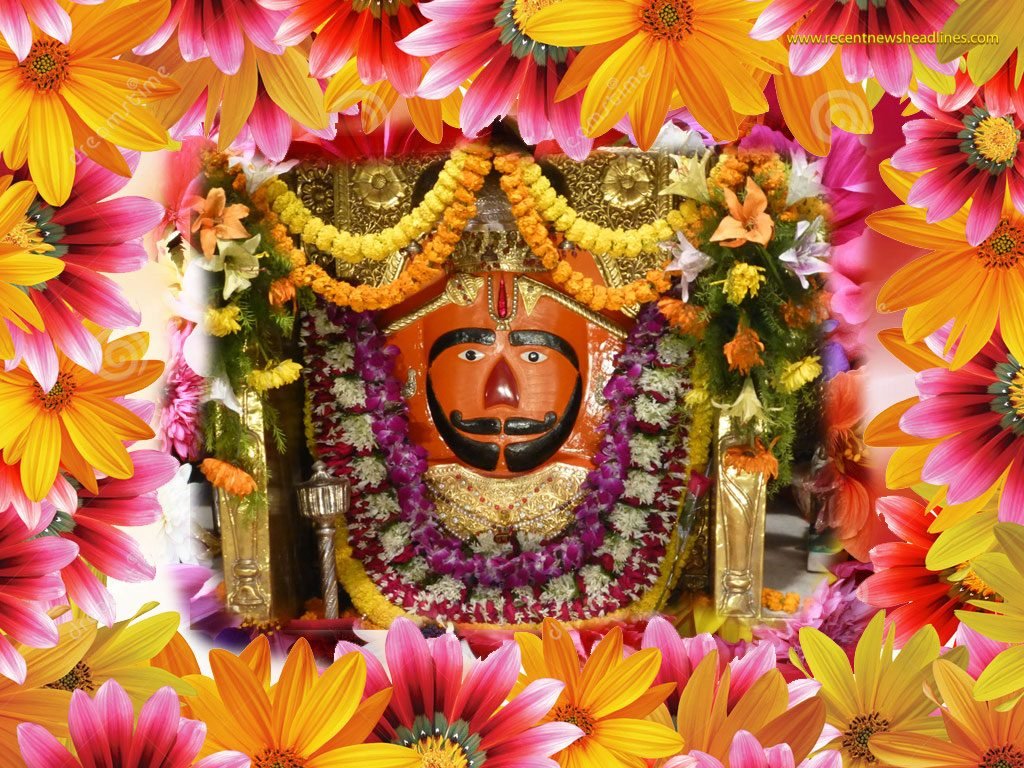
Salasar Balaji, Salasar, Rajasthan
Photo: Dausaanoop, CC BY-SA 4.0, Wikimedia Commons

Salasar Balaji Timings

Salasar Balaji is open 4:00 AM to 1:00 PM and 3:00 PM to 10:00 PM, daily.

Hanuman (Balaji), depicted here with a beard and moustache, a form unique to this temple · Salasar, Rajasthan

HanumanMedium confidence
Darshan hours (as published)
4:00 AM - 1:00 PM · 3:00 PM - 10:00 PM
Open/closed status loads once the page finishes rendering.

Set in Salasar, Rajasthan, Salasar Balaji is a shrine to Hanuman (Balaji), depicted here with a beard and moustache, a form unique to this temple. It is also known as Salasar Balaji Dham, Salasar Dham, Shree Salasar Balaji Mandir, Salasar Balaji Temple.

Salasar Balaji is one of the most visited Hanuman shrines in North India and a major pilgrimage centre for devotees from Rajasthan, Haryana, Punjab and Delhi. It draws very large crowds during its two annual fairs. According to local tradition, a farmer ploughing his field in Asota village unearthed a stone idol.

Rajasthan carries a distinct temple identity of its own: Desert-state temples of devotion and marble artistry, from the rare Brahma shrine at Pushkar to the haveli worship of Shrinathji and the lace-like Jain carvings of Dilwara.

Darshan hours and daily worship

SessionTiming (as published)
Morning4:00 AM - 1:00 PM
Evening3:00 PM - 10:00 PM

Sources differ slightly on exact hours (some cite 6:00 AM to 9:00 PM per the temple's own site, others 4:00 AM to 10:00 PM with a midday closure). Aarti and darshan timings also shift between summer and winter schedules, so confirm same-day timings before travelling, especially around Tuesdays, Saturdays, and the two annual melas.

Poojas and daily rituals

Daily aarti cycle includes Mangala Aarti (early morning, around 4:00-5:30 AM depending on season), Shringar/Mohandas Ji Aarti, Rajbhog Aarti around midday, Sandhya (evening) Aarti around 6:00-7:30 PM, and a closing Shayan Aarti around 9:00-10:00 PM.

Weekly or monthly auspicious daysTuesdays and Saturdays, traditionally associated with Hanuman worship, see higher footfall.
Signature annual eventsTwo major melas (fairs) held annually on Chaitra Purnima and Ashwin Purnima, each drawing large numbers of pilgrims from across North India.

Festivals and special-day timings

Regular darshan hours are usually extended, or set aside entirely, on these dates.

FestivalPeriodWhat happens
Chaitra Purnima MelaFull moon of Chaitra (March-April), coinciding with Hanuman JayantiOne of two major annual fairs at Salasar, marking Hanuman Jayanti with an intense devotional atmosphere and heavy pilgrim traffic.
Ashwin Purnima MelaFull moon of Ashwin (September-October), coinciding with Sharad PurnimaThe larger of the two annual Salasar fairs, drawing very large numbers of pilgrims over several days.

History and architecture

Built or establishedIdol said to have appeared in Samvat 1811 (1754 CE); the temple structure was built shortly after, around Samvat 1815

Architecture

A relatively modest, traditional Rajasthani temple complex built around the sanctum housing the bearded Hanuman idol, with a large courtyard to accommodate pilgrim crowds.

History

According to local tradition, a farmer ploughing his field in Asota village unearthed a stone idol. Both a local landlord and a devotee named Mohandas Maharaj separately received dreams instructing that the idol be moved to Salasar, where it was installed and a temple built around it in the mid-18th century. The idol is unusual for depicting Hanuman with facial hair, which local tradition explains through the discovery legend.

Planning your visit

Dress codeFootwear must be removed before entering the temple premises.
Best time to visitOctober to March offers cooler, more comfortable weather. Early morning on weekdays outside the two mela periods generally means shorter queues.
NearbyKhatu Shyam Mandir in Sikar district is a commonly paired pilgrimage stop, roughly 110 km away.

How to reach

Nearest railway stations are Sujangarh, Sikar and Ratangarh; Salasar sits on the Jaipur-Bikaner highway. The nearest major airport is Jaipur, roughly 170 km away.

Where this information comes from

Confidence: Medium. Core history, deity, and festival facts are well corroborated across sources including Wikipedia; the official temple website returned a server error during research so timings and aarti schedule are drawn from third-party pilgrimage guides, which disagree slightly on exact opening/closing hours.

Frequently asked questions about Salasar Balaji

What is the timing of Salasar Balaji?

Salasar Balaji is open 4:00 AM to 1:00 PM and 3:00 PM to 10:00 PM, daily. Sources differ slightly on exact hours (some cite 6:00 AM to 9:00 PM per the temple's own site, others 4:00 AM to 10:00 PM with a midday closure). Aarti and darshan timings also shift between summer and winter schedules, so confirm same-day timings before travelling, especially around Tuesdays, Saturdays, and the two annual melas.

What are the darshan (visiting) hours at Salasar Balaji?

As published, morning darshan runs 4:00 AM - 1:00 PM and evening darshan runs 3:00 PM - 10:00 PM. Sources differ slightly on exact hours (some cite 6:00 AM to 9:00 PM per the temple's own site, others 4:00 AM to 10:00 PM with a midday closure). Aarti and darshan timings also shift between summer and winter schedules, so confirm same-day timings before travelling, especially around Tuesdays, Saturdays, and the two annual melas.

What is the dress code at Salasar Balaji?

Footwear must be removed before entering the temple premises.

Which festivals are celebrated at Salasar Balaji?

The main ones documented for this temple are Chaitra Purnima Mela, Ashwin Purnima Mela. See the festival table above for dates and what each involves.

What is the best time to visit Salasar Balaji?

October to March offers cooler, more comfortable weather. Early morning on weekdays outside the two mela periods generally means shorter queues.

How do I reach Salasar Balaji?

Nearest railway stations are Sujangarh, Sikar and Ratangarh; Salasar sits on the Jaipur-Bikaner highway. The nearest major airport is Jaipur, roughly 170 km away.

Who is the presiding deity at Salasar Balaji?

Hanuman (Balaji), depicted here with a beard and moustache, a form unique to this temple

What is the history of Salasar Balaji?

According to local tradition, a farmer ploughing his field in Asota village unearthed a stone idol.

What poojas or aartis are performed daily at Salasar Balaji?

Daily aarti cycle includes Mangala Aarti (early morning, around 4:00-5:30 AM depending on season), Shringar/Mohandas Ji Aarti, Rajbhog Aarti around midday, Sandhya (evening) Aarti around 6:00-7:30 PM, and a closing Shayan Aarti around 9:00-10:00 PM.

How reliable is the information on this Salasar Balaji page?

This listing's confidence is rated medium. Core history, deity, and festival facts are well corroborated across sources including Wikipedia; the official temple website returned a server error during research so timings and aarti schedule are drawn from third-party pilgrimage guides, which disagree slightly on exact opening/closing hours.