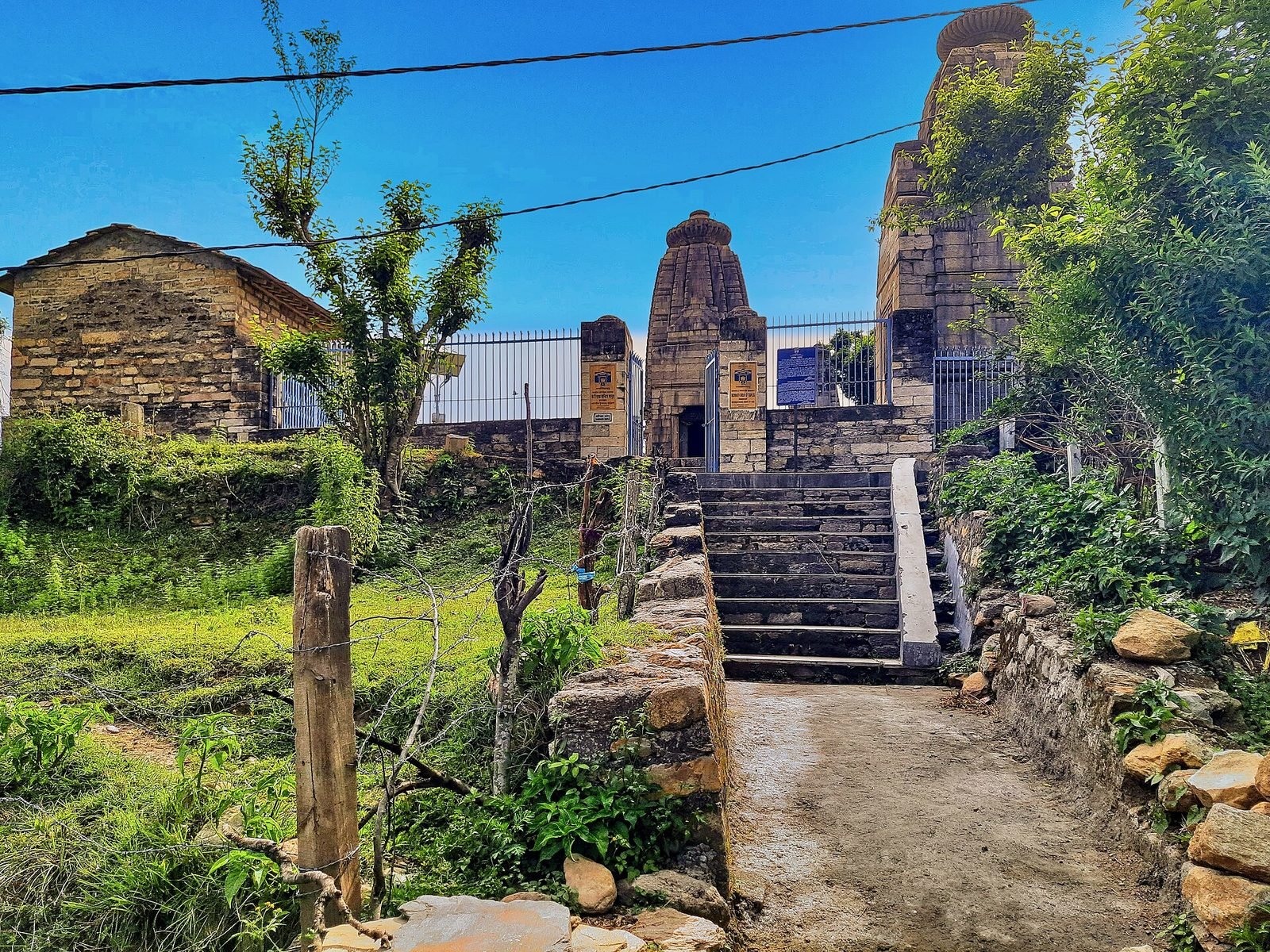
Badrinath Temple, Badrinath, Uttarakhand
Photo: Ms Sarah Welch, CC0, Wikimedia Commons

Badrinath Temple Timings

Badrinath Temple is open 4:30 AM to 12:00 PM and 4:00 PM to 9:00 PM, daily.

Lord Vishnu, worshipped as Badari Narayan · Badrinath, Uttarakhand

108 Divya DesamsChar DhamVishnuFree entryMedium confidence
Darshan hours (as published)
Opens ~4:30 AM for Mahabhishek; general darshan ~6:00 AM - 12:00 PM · ~4:00 PM - 9:00 PM
Open/closed status loads once the page finishes rendering.

Badrinath Temple, in Badrinath in Uttarakhand, is a shrine to Lord Vishnu, worshipped as Badari Narayan. It is also known as Badarinath Temple, Badari Narayan, Shri Badrinath Dham.

One of the four Char Dham shrines and part of the Chota Char Dham of Uttarakhand; counted among the 108 Divya Desams of Vishnu and the Panch Badri temples. The Akhand Jyoti is believed to keep burning even while the temple is closed in winter. According to tradition, the idol of Badari Narayan was recovered by Adi Shankaracharya from Narad Kund and re-enshrined in the 8th century AD to revive Hinduism in the Himalayas.

Uttarakhand carries a distinct temple identity of its own: Dev Bhoomi, the Land of the Gods, home to the Char Dham Himalayan shrines of Badrinath, Kedarnath, Gangotri and Yamunotri and the Shakti temples of Haridwar.

Darshan hours and daily worship

SessionTiming (as published)
MorningOpens ~4:30 AM for Mahabhishek; general darshan ~6:00 AM - 12:00 PM
Evening~4:00 PM - 9:00 PM

Temple opens ~4:30 AM for the Mahabhishek puja by the Rawal (head priest); general darshan runs morning and evening with a midday closure for the Rajbhog ritual. Timings are set by the Badrinath-Kedarnath Temple Committee (BKTC) and vary during festivals. The temple is open only from around April/May to November; in winter worship shifts to Joshimath/Pandukeshwar.

Poojas and daily rituals

Mahabhishek and Abhishek pujas (early morning), Ved Path, Geet Govind Path, Vishnu Sahasranam Path, and Shayan Aarti; online booking available via BKTC

Weekly or monthly auspicious daysThe kapat opening day (April/May) and closing day (November)
Signature annual eventsChar Dham Yatra; the ceremonial opening and closing of the temple doors

Festivals and special-day timings

Regular darshan hours are usually extended, or set aside entirely, on these dates.

FestivalPeriodWhat happens
Temple Opening (Kapat Khulna)April-MayThe doors open on an auspicious date announced by BKTC, when the Akhand Jyoti is revealed to devotees
Mata Murti Ka MelaMonsoon seasonHonours the mother of Nara-Narayana
Badri-Kedar UtsavJuneA cultural festival held at Badrinath and Kedarnath
Temple Closing (Kapat Bandh)NovemberThe doors close for winter and the deity's worship moves to a lower valley

History and architecture

Built or establishedThe idol was recovered by Adi Shankaracharya and re-enshrined in the 8th century AD; the King of Garhwal moved the murti to the present temple location in the 16th century

Architecture

The temple has a brightly painted facade and three sections: the Garbha Griha (sanctum), the Darshan Mandap where rituals are conducted, and the Sabha Mandap where pilgrims assemble. The one-metre black-stone idol depicts Vishnu seated in the meditative Padmasana pose, holding conch and chakra.

History

According to tradition, the idol of Badari Narayan was recovered by Adi Shankaracharya from Narad Kund and re-enshrined in the 8th century AD to revive Hinduism in the Himalayas. It was originally kept in a cave near the Tapt Kund hot springs; in the 16th century the King of Garhwal moved it to the present temple. The site is linked to the penance of the sages Nara and Narayana.

Planning your visit

Entry feeFree darshan; special attending poojas are paid (e.g. Maha-Abhishek around Rs 4,300, and other rate-listed sevas set by BKTC)
Dress codeModest, traditional attire; warm clothing essential due to high altitude; remove leather items before the sanctum
Best time to visitMay-June and September-October; the temple is open only from around April/May to November, with pleasant summers and very cold, snowbound winters.
NearbyTapt Kund hot spring, Mana Village, Charan Paduka, Bheem Pul, Mata Murti Temple, Narad Kund and Vasudhara Falls

How to reach

Nearest airport is Jolly Grant Airport, Dehradun; nearest railway station is Rishikesh. By road it is reached via Rudraprayag, Chamoli, Joshimath, Vishnuprayag, Govindghat and Pandukeshwar along NH-58. Pilgrims may stay at Joshimath (about 45 km away) and complete darshan in a single day.

Where this information comes from

Confidence: Medium. Darshan timings vary by source and season; temple open only April/May-November

Frequently asked questions about Badrinath Temple

What is the timing of Badrinath Temple?

Badrinath Temple is open 4:30 AM to 12:00 PM and 4:00 PM to 9:00 PM, daily. Temple opens ~4:30 AM for the Mahabhishek puja by the Rawal (head priest); general darshan runs morning and evening with a midday closure for the Rajbhog ritual. Timings are set by the Badrinath-Kedarnath Temple Committee (BKTC) and vary during festivals. The temple is open only from around April/May to November; in winter worship shifts to Joshimath/Pandukeshwar.

What are the darshan (visiting) hours at Badrinath Temple?

As published, morning darshan runs Opens ~4:30 AM for Mahabhishek; general darshan ~6:00 AM - 12:00 PM and evening darshan runs ~4:00 PM - 9:00 PM. Temple opens ~4:30 AM for the Mahabhishek puja by the Rawal (head priest); general darshan runs morning and evening with a midday closure for the Rajbhog ritual. Timings are set by the Badrinath-Kedarnath Temple Committee (BKTC) and vary during festivals. The temple is open only from around April/May to November; in winter worship shifts to Joshimath/Pandukeshwar.

Is there an entry fee at Badrinath Temple?

Free darshan; special attending poojas are paid (e.g. Maha-Abhishek around Rs 4,300, and other rate-listed sevas set by BKTC)

What is the dress code at Badrinath Temple?

Modest, traditional attire; warm clothing essential due to high altitude; remove leather items before the sanctum

Which festivals are celebrated at Badrinath Temple?

The main ones documented for this temple are Temple Opening (Kapat Khulna), Mata Murti Ka Mela, Badri-Kedar Utsav. See the festival table above for dates and what each involves.

What is the best time to visit Badrinath Temple?

May-June and September-October; the temple is open only from around April/May to November, with pleasant summers and very cold, snowbound winters.

How do I reach Badrinath Temple?

Nearest airport is Jolly Grant Airport, Dehradun; nearest railway station is Rishikesh. By road it is reached via Rudraprayag, Chamoli, Joshimath, Vishnuprayag, Govindghat and Pandukeshwar along NH-58. Pilgrims may stay at Joshimath (about 45 km away) and complete darshan in a single day.

Who is the presiding deity at Badrinath Temple?

Lord Vishnu, worshipped as Badari Narayan

What is the history of Badrinath Temple?

According to tradition, the idol of Badari Narayan was recovered by Adi Shankaracharya from Narad Kund and re-enshrined in the 8th century AD to revive Hinduism in the Himalayas.

How reliable is the information on this Badrinath Temple page?

This listing's confidence is rated medium. Darshan timings vary by source and season; temple open only April/May-November