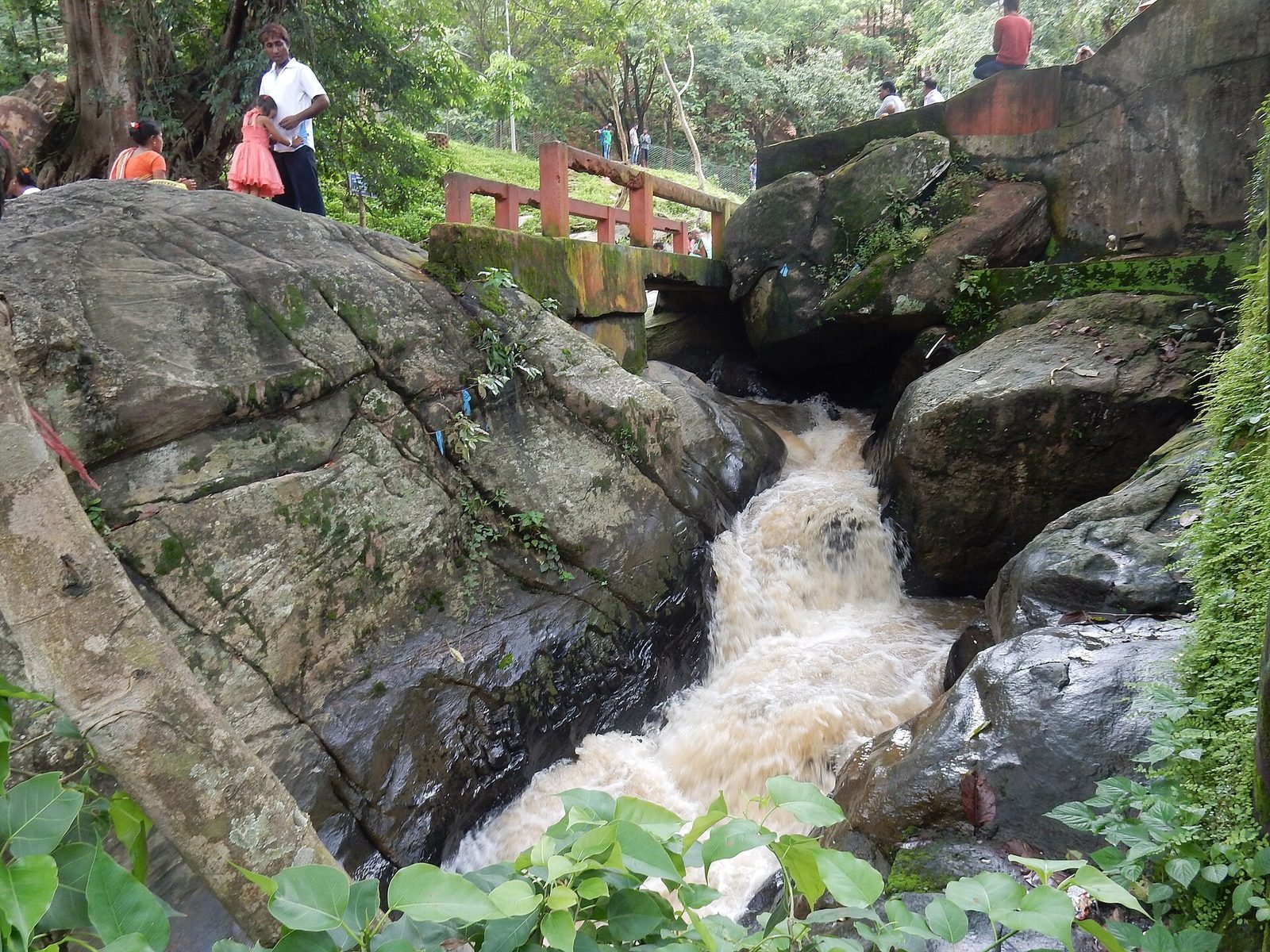
Basistha Temple (Basistha Ashram), Guwahati, Assam
Photo: Romam1988, CC BY-SA 4.0, Wikimedia Commons

Basistha Temple (Basistha Ashram) Timings

Basistha Temple (Basistha Ashram): 7:00 AM; 9:00 PM.

Shiva Lingam, associated with sage Vasishtha · Guwahati, Assam

ShivaMedium confidence
Darshan hours (as published)
7:00 AM · 9:00 PM
Open/closed status loads once the page finishes rendering.

Basistha Temple (Basistha Ashram) stands in Guwahati, Assam, is dedicated to Shiva Lingam, associated with sage Vasishtha. It is also known as Vasishtha Ashram, Basistha Mandir.

A scenic pilgrimage site combining mythology and nature, where streams descending from the Meghalaya hills flow past the temple forming the Basistha river; popular for both religious visits and as a nature spot The ashram is traditionally believed to have been founded by the sage Vasishtha of the Ramayana, who is said to have ended his life at this site.

Assam carries a distinct temple identity of its own: Home of the tantric Shakti shrine of Kamakhya on the Nilachal Hill, one of the oldest and most powerful Shakti Peethas in India.

Darshan hours and daily worship

SessionTiming (as published)
Morning7:00 AM
Evening9:00 PM

History and architecture

Built or establishedAshram tradition dates to the Vedic age; present temple built in 1764 CE by Ahom king Rajeswar Singha

Architecture

Kamrup-style temple architecture set beside a mountain stream flowing down from the Meghalaya hills, with a meditation cave traditionally associated with sage Vasishtha

History

The ashram is traditionally believed to have been founded by the sage Vasishtha of the Ramayana, who is said to have ended his life at this site. Ahom king Rajeswar Singha built the present temple in 1764 CE and gifted 835 bighas of land to the ashram.

Planning your visit

NearbyBasistha Ganesha Temple, Garbhanga Reserve Forest, Kamakhya Temple, Navagraha Temple

How to reach

Located in the Beltola area on the southeastern outskirts of Guwahati, near Garbhanga Reserve Forest, about 14 km from Guwahati Railway Station; accessible by taxi or auto-rickshaw

Where this information comes from

Confidence: Medium. Some aggregator sources describe additional legendary/Shaktipeeth claims that could not be independently corroborated, so these were omitted; festival calendar not confirmed

Frequently asked questions about Basistha Temple (Basistha Ashram)

What is the timing of Basistha Temple (Basistha Ashram)?

Basistha Temple (Basistha Ashram): 7:00 AM; 9:00 PM.

What are the darshan (visiting) hours at Basistha Temple (Basistha Ashram)?

As published, morning darshan runs 7:00 AM and evening darshan runs 9:00 PM.

How do I reach Basistha Temple (Basistha Ashram)?

Located in the Beltola area on the southeastern outskirts of Guwahati, near Garbhanga Reserve Forest, about 14 km from Guwahati Railway Station; accessible by taxi or auto-rickshaw

Who is the presiding deity at Basistha Temple (Basistha Ashram)?

Shiva Lingam, associated with sage Vasishtha

What is the history of Basistha Temple (Basistha Ashram)?

The ashram is traditionally believed to have been founded by the sage Vasishtha of the Ramayana, who is said to have ended his life at this site.

What else is worth seeing near Basistha Temple (Basistha Ashram)?

Basistha Ganesha Temple, Garbhanga Reserve Forest, Kamakhya Temple, Navagraha Temple

Is Basistha Temple (Basistha Ashram) known by any other name?

Yes, it is also called Vasishtha Ashram, Basistha Mandir.

When was Basistha Temple (Basistha Ashram) built?

Ashram tradition dates to the Vedic age; present temple built in 1764 CE by Ahom king Rajeswar Singha

What architectural style is Basistha Temple (Basistha Ashram) built in?

Kamrup-style temple architecture set beside a mountain stream flowing down from the Meghalaya hills, with a meditation cave traditionally associated with sage Vasishtha

How reliable is the information on this Basistha Temple (Basistha Ashram) page?

This listing's confidence is rated medium. Some aggregator sources describe additional legendary/Shaktipeeth claims that could not be independently corroborated, so these were omitted; festival calendar not confirmed