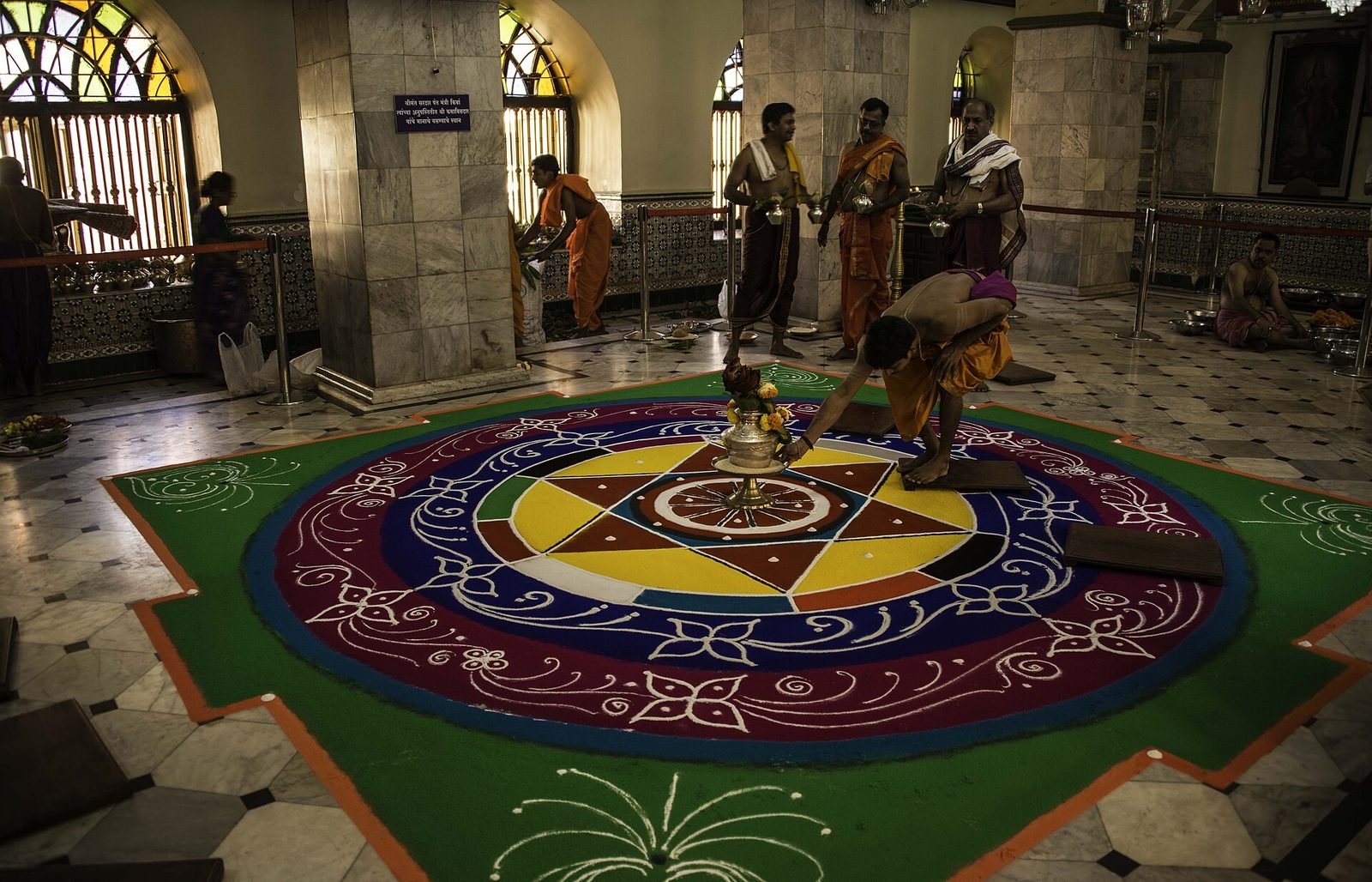
Shri Shantadurga Temple, in Ponda in Goa, is a shrine to Goddess Shantadurga, mediator between Vishnu and Shiva. It is also known as Shree Shantadurga Saunsthan Kavale, Kavlem Temple.
Considered one of Goa's most important and biggest temples, Shantadurga is the Kuldevi (family deity) of many Goud Saraswat Brahmin families, and the temple is the seat of the Kavale Math. The original temple at Keloshi (Quelossim) was destroyed by the Portuguese in 1566.
Goa carries a distinct temple identity of its own: Goa's temple heritage is concentrated largely in the Ponda taluka, where centuries old Saraswat deities and shrines survive after being carried inland to escape Portuguese era destruction and forced conversion.
Darshan hours and daily worship
| Session | Timing (as published) |
|---|---|
| Morning | 5:30 AM to 12:30 PM |
| Evening | 1:30 PM to 8:30 PM |
Some sources list temple hours simply as 6 AM to 8:30 PM; timings can vary by day and ritual, so confirm locally before visiting.
Festivals and special-day timings
Regular darshan hours are usually extended, or set aside entirely, on these dates.
| Festival | Period | What happens |
|---|---|---|
| Shantadurga Zatra (annual jatra) | December | The temple's main annual festival, when the deity is taken out in procession in a golden palanquin |
| Lalkhi Utsav, Muktabharani Utsav, Tulsi Vivah, Kala Utsav | Other celebrations observed at the temple through the year |
History and architecture
Architecture
Saraswat temple style with a pyramidal shikara, a flat dome encircled by balustrades, Roman arched windows, and a seven storied deepstambha (lamp tower); pillars and flooring use Kashmir stone
History
The original temple at Keloshi (Quelossim) was destroyed by the Portuguese in 1566. The families who worshipped Shantadurga carried the deity's images across the Zuari river to territory then under the Adilshahi kingdom and eventually settled at Kavalem. The present temple was built between 1713 and 1738 during Maratha rule, and the village of Kavalem was bequeathed to the temple by Peshwa Baji Rao I in 1738. The temple was renovated in 1966 and marked 450 years of existence in December 2016.
Planning your visit
How to reach
About 28 to 33 km from Panaji (Kadamba Bus Stand), 20 km from Margao railway station, and 34 km from Vasco da Gama railway station; reachable by cab, taxi, or rental bike
Where this information comes from
Confidence: Medium. Reported temple hours differ slightly between sources; entry fee, dress code and specific pooja offerings could not be verified