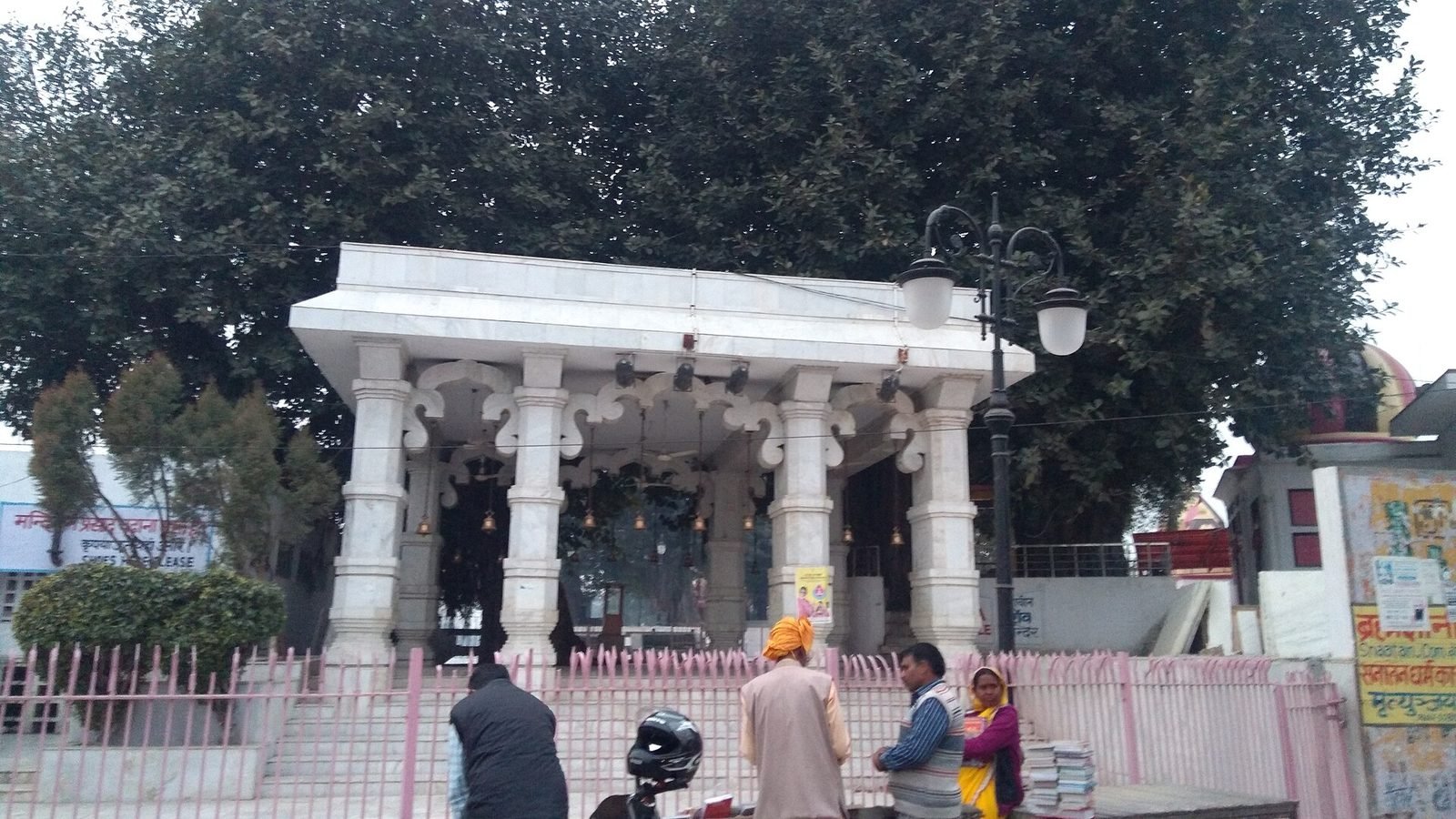
Jyotisar, Kurukshetra, Haryana
Photo: आशीष_भटनागर, CC BY-SA 3.0, Wikimedia Commons

Jyotisar Timings

Published darshan hours for Jyotisar vary; see the timings below and reconfirm with the temple before visiting.

Krishna and Arjuna shrine, Akshaya Vata banyan tree · Kurukshetra, Haryana

KrishnaFree entryMedium confidence
Darshan hours (as published)
See hours below
Open/closed status loads once the page finishes rendering.

Set in Kurukshetra, Haryana, Jyotisar is dedicated to Krishna and Arjuna shrine, Akshaya Vata banyan tree. It is also known as Jyotisar Tirtha, Gitopadesh Sthali.

Revered as the birthplace of the Bhagavad Gita and one of the most venerated tirthas of Kurukshetra, marking the spot of Krishna's Gita Upadesh to Arjuna. Jyotisar is the traditional site where Lord Krishna is believed to have delivered the discourse of the Bhagavad Gita to Arjuna under a banyan tree, on the eve of the Mahabharata war.

Haryana carries a distinct temple identity of its own: Land of the Bhagavad Gita and the Mahabharata, whose sacred sarovars and ancient Shiva shrines cluster around Kurukshetra.

Darshan hours and daily worship

Published sources do not give a single clean daily window for this temple; see the notes below for what is documented.

One source lists the complex as open 7:00 AM to 9:00 PM daily with free entry; another mentions a daily light and sound show around 7 and 8 PM, though this could not be independently confirmed. Timings can change seasonally and around festivals, so confirm locally.

Weekly or monthly auspicious daysGita Jayanti

Festivals and special-day timings

Regular darshan hours are usually extended, or set aside entirely, on these dates.

FestivalPeriodWhat happens
Gita JayantiNovember-DecemberAnnual celebration marking the day Krishna delivered the Bhagavad Gita, drawing large numbers of visitors to Jyotisar.

History and architecture

Architecture

A marble chariot with idols of Krishna and Arjuna stands beside an ancient banyan tree; the tree itself, known as Akshaya Vata, is traditionally said to be around 5,000 years old.

History

Jyotisar is the traditional site where Lord Krishna is believed to have delivered the discourse of the Bhagavad Gita to Arjuna under a banyan tree, on the eve of the Mahabharata war. Local tradition also holds that the Rig Veda and Sama Veda were composed here, and that the sage Manu wrote the Manusmriti at this site.

Planning your visit

Entry feeFree
NearbyKrishna Museum, Brahma Sarovar, Bhadrakali Temple, Sthaneshwar Mahadev Temple

How to reach

About 165 km from Delhi, 104 km from Chandigarh, 47 km from Karnal and 62 km from Ambala. Local buses run from Kurukshetra's central bus station; the site is about 8 km from the Krishna Museum.

Where this information comes from

Confidence: Medium. Timings and light and sound show details vary across sources and were not confirmed against an official source

Frequently asked questions about Jyotisar

What is the timing of Jyotisar?

Published darshan hours for Jyotisar vary; see the timings below and reconfirm with the temple before visiting. One source lists the complex as open 7:00 AM to 9:00 PM daily with free entry; another mentions a daily light and sound show around 7 and 8 PM, though this could not be independently confirmed. Timings can change seasonally and around festivals, so confirm locally.

Is there an entry fee at Jyotisar?

Free

Which festivals are celebrated at Jyotisar?

The main ones documented for this temple are Gita Jayanti. See the festival table above for dates and what each involves.

How do I reach Jyotisar?

About 165 km from Delhi, 104 km from Chandigarh, 47 km from Karnal and 62 km from Ambala. Local buses run from Kurukshetra's central bus station; the site is about 8 km from the Krishna Museum.

Who is the presiding deity at Jyotisar?

Krishna and Arjuna shrine, Akshaya Vata banyan tree

What is the history of Jyotisar?

Jyotisar is the traditional site where Lord Krishna is believed to have delivered the discourse of the Bhagavad Gita to Arjuna under a banyan tree, on the eve of the Mahabharata war.

What else is worth seeing near Jyotisar?

Krishna Museum, Brahma Sarovar, Bhadrakali Temple, Sthaneshwar Mahadev Temple

Is Jyotisar known by any other name?

Yes, it is also called Jyotisar Tirtha, Gitopadesh Sthali.

What architectural style is Jyotisar built in?

A marble chariot with idols of Krishna and Arjuna stands beside an ancient banyan tree; the tree itself, known as Akshaya Vata, is traditionally said to be around 5,000 years old.

How reliable is the information on this Jyotisar page?

This listing's confidence is rated medium. Timings and light and sound show details vary across sources and were not confirmed against an official source