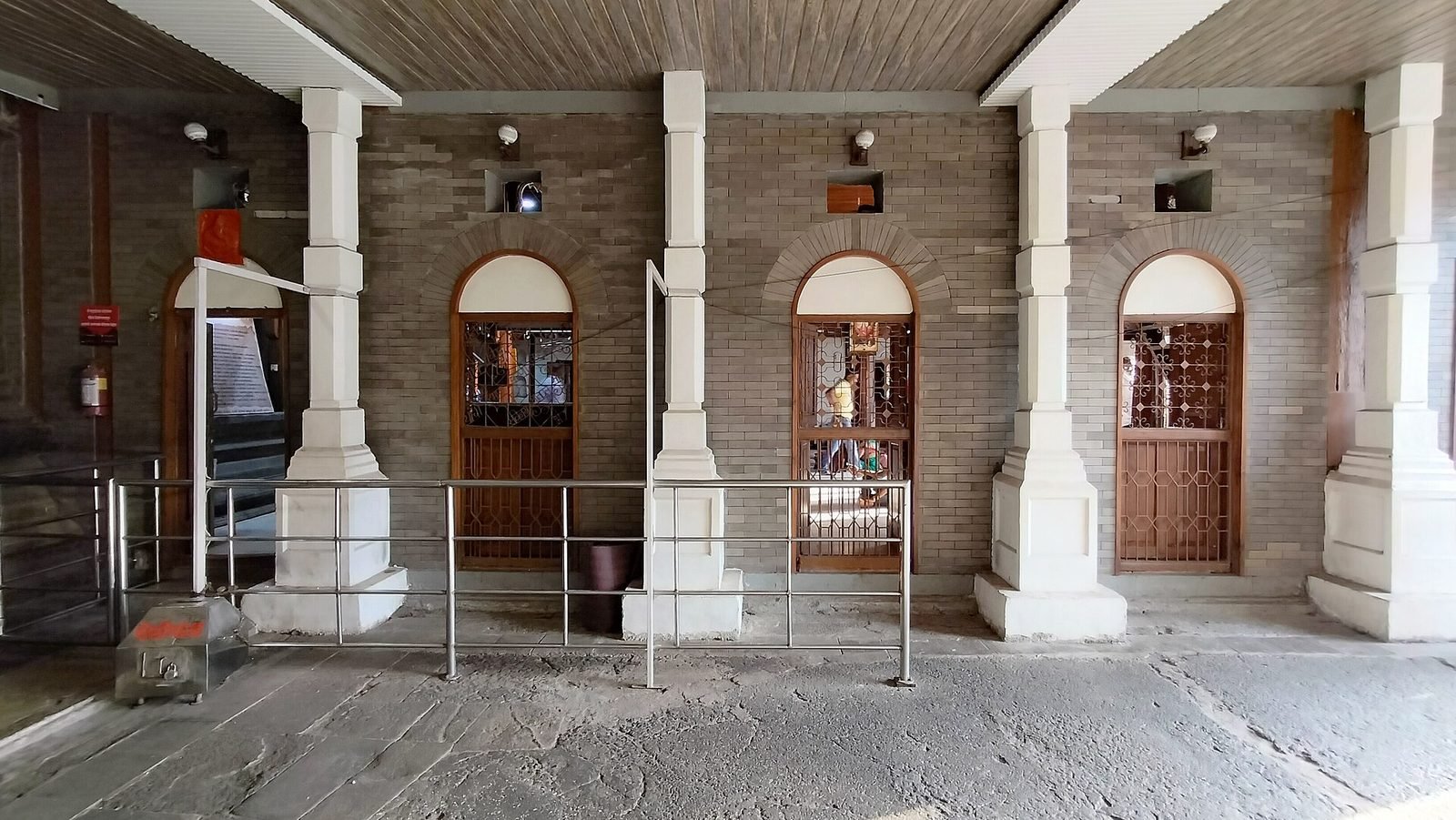
Ballaleshwar Temple, Pali, Pali, Maharashtra
Photo: Pradeep717, CC BY-SA 4.0, Wikimedia Commons

Ballaleshwar Temple, Pali Timings

Ballaleshwar Temple, Pali is open 5:30 AM to 12:00 PM and 3:00 PM to 10:00 PM, daily.

Ganesha, worshipped here as Ballaleshwar; uniquely among the Ashtavinayak temples this form is named after a devotee, the boy-devotee Ballal · Pali, Maharashtra

AshtavinayakGaneshaFree entryMedium confidence
Darshan hours (as published)
5:30 AM - 12:00 PM · 3:00 PM - 10:00 PM
Open/closed status loads once the page finishes rendering.

Ballaleshwar Temple, Pali stands in Pali, Maharashtra, is a shrine to Ganesha, worshipped here as Ballaleshwar; uniquely among the Ashtavinayak temples this form is named after a devotee, the boy-devotee Ballal. It is also known as Pali Ganpati Temple, Ballaleshwar Ganpati Mandir.

Pali is the third temple of the Ashtavinayak pilgrimage circuit, visited after Morgaon and Siddhatek and before Mahad; it is the only one of the eight Ashtavinayak shrines named after the devotee whose story it commemorates rather than a form or deed of Ganesha. The temple is dedicated to the legend of Ballal, a boy so devoted to Ganesha that his father, angered by his son's constant worship, beat him and tied him to a tree; Ganesha appeared and granted him the boon that he be worshipped here in.

Maharashtra carries a distinct temple identity of its own: From Mumbai's beloved Siddhivinayak and Shirdi's Sai Baba to five of the twelve Jyotirlingas and the Varkari heart of Pandharpur, Maharashtra weaves together Shaiva, Vaishnava and Shakta devotion.

Darshan hours and daily worship

SessionTiming (as published)
Morning5:30 AM - 12:00 PM
Evening3:00 PM - 10:00 PM

Sources vary on the exact midday and closing hours (some list continuous hours to 10:30 PM); devotees can join priest-assisted abhishek/pooja in the inner sanctum until around 11:30 AM-12:00 PM daily. Confirm exact hours locally before visiting.

Poojas and daily rituals

Morning aarti around 6:00 AM, midday pooja around 12:00-12:30 PM, evening aarti around 7:00-7:30 PM, and a closing Shej aarti around 10:00 PM

Weekly or monthly auspicious daysKrishna Janmashtami, Holi, Dussehra, Deepawali and Kartik Poornima are also observed at the temple
Signature annual eventsGanesh Chaturthi is the temple's largest annual event and draws the biggest crowds

Festivals and special-day timings

Regular darshan hours are usually extended, or set aside entirely, on these dates.

FestivalPeriodWhat happens
Ganesh ChaturthiBhadrapada Shudh Pratipada to Panchami (August/September)Five-day festival marking Ganesha's birth, with decorations and special poojas.
Maghi UtsavMagha month (January/February)Celebrates Ganesha's rebirth/incarnation.
Dhundi Vinayak UtsavJyeshtha Shudh Pratipada to PanchamiA five-day celebration in the Jyeshtha month.

History and architecture

Built or establishedOriginal wooden temple built in 1640 by Moreshvar Vitthal Sindkar; rebuilt in stone in 1760, commissioned by Nana Phadnavis and designed by Shri Fadnis

Architecture

Stone temple built in the shape of the Devanagari letter 'Shri', constructed using a lead and cement mixture for durability; the east facing sanctum is positioned so that sunrise rays fall directly on the murti, and the temple has two sanctums, an inner one about 15 feet high and an outer one about 12 feet high

History

The temple is dedicated to the legend of Ballal, a boy so devoted to Ganesha that his father, angered by his son's constant worship, beat him and tied him to a tree; Ganesha appeared and granted him the boon that he be worshipped here in Ballal's name as Ballaleshwar. Moreshvar Vitthal Sindkar built the original wooden shrine in 1640, and it was rebuilt in stone in 1760 under the patronage of Peshwa minister Nana Phadnavis. The temple also holds a bell that Chimaji Appa brought back after defeating Portuguese forces in 1739.

Planning your visit

Entry feeFree; no admission fee is charged for general darshan
Dress codeModest attire recommended: covered upper arms and legs; men typically wear dhoti/pajama or formal trousers and shirt, women a saree, half-saree or salwar-chudidhar; sleeveless tops, shorts and mini-skirts are discouraged
Best time to visitOctober to February for cooler weather; arriving before 7:00 AM generally means a shorter wait for darshan, and Ganesh Chaturthi brings the heaviest crowds
NearbySarasgad fort, which overlooks the village

How to reach

Nearest railway stations are Karjat (about 30 km) and Roha/Pen on the Konkan Railway (roughly 18-30 km depending on route); nearest airport is Mumbai's Chhatrapati Shivaji Maharaj International Airport, about 110-124 km away; Pali is about 110-120 km from both Mumbai and Pune by road, and around 70 km from Lonavala, with MSRTC buses connecting it to Mumbai, Pune, Khopoli, Karjat and Panvel

Where this information comes from

Confidence: Medium. Core history, architecture and Ashtavinayak sequence position are well confirmed by Wikipedia; exact daily timings and aarti schedule vary somewhat across secondary sources and no official temple trust website could be located, so timings should be treated as approximate.

Frequently asked questions about Ballaleshwar Temple, Pali

What is the timing of Ballaleshwar Temple, Pali?

Ballaleshwar Temple, Pali is open 5:30 AM to 12:00 PM and 3:00 PM to 10:00 PM, daily. Sources vary on the exact midday and closing hours (some list continuous hours to 10:30 PM); devotees can join priest-assisted abhishek/pooja in the inner sanctum until around 11:30 AM-12:00 PM daily. Confirm exact hours locally before visiting.

What are the darshan (visiting) hours at Ballaleshwar Temple, Pali?

As published, morning darshan runs 5:30 AM - 12:00 PM and evening darshan runs 3:00 PM - 10:00 PM. Sources vary on the exact midday and closing hours (some list continuous hours to 10:30 PM); devotees can join priest-assisted abhishek/pooja in the inner sanctum until around 11:30 AM-12:00 PM daily. Confirm exact hours locally before visiting.

Is there an entry fee at Ballaleshwar Temple, Pali?

Free; no admission fee is charged for general darshan

What is the dress code at Ballaleshwar Temple, Pali?

Modest attire recommended: covered upper arms and legs; men typically wear dhoti/pajama or formal trousers and shirt, women a saree, half-saree or salwar-chudidhar; sleeveless tops, shorts and mini-skirts are discouraged

Which festivals are celebrated at Ballaleshwar Temple, Pali?

The main ones documented for this temple are Ganesh Chaturthi, Maghi Utsav, Dhundi Vinayak Utsav. See the festival table above for dates and what each involves.

What is the best time to visit Ballaleshwar Temple, Pali?

October to February for cooler weather; arriving before 7:00 AM generally means a shorter wait for darshan, and Ganesh Chaturthi brings the heaviest crowds

How do I reach Ballaleshwar Temple, Pali?

Nearest railway stations are Karjat (about 30 km) and Roha/Pen on the Konkan Railway (roughly 18-30 km depending on route); nearest airport is Mumbai's Chhatrapati Shivaji Maharaj International Airport, about 110-124 km away; Pali is about 110-120 km from both Mumbai and Pune by road, and around 70 km from Lonavala, with MSRTC buses connecting it to Mumbai, Pune, Khopoli, Karjat and Panvel

Who is the presiding deity at Ballaleshwar Temple, Pali?

Ganesha, worshipped here as Ballaleshwar; uniquely among the Ashtavinayak temples this form is named after a devotee, the boy-devotee Ballal

What is the history of Ballaleshwar Temple, Pali?

The temple is dedicated to the legend of Ballal, a boy so devoted to Ganesha that his father, angered by his son's constant worship, beat him and tied him to a tree; Ganesha appeared and granted him the boon that he be worshipped here in Ballal's name as Ballaleshwar.

How reliable is the information on this Ballaleshwar Temple, Pali page?

This listing's confidence is rated medium. Core history, architecture and Ashtavinayak sequence position are well confirmed by Wikipedia; exact daily timings and aarti schedule vary somewhat across secondary sources and no official temple trust website could be located, so timings should be treated as approximate.