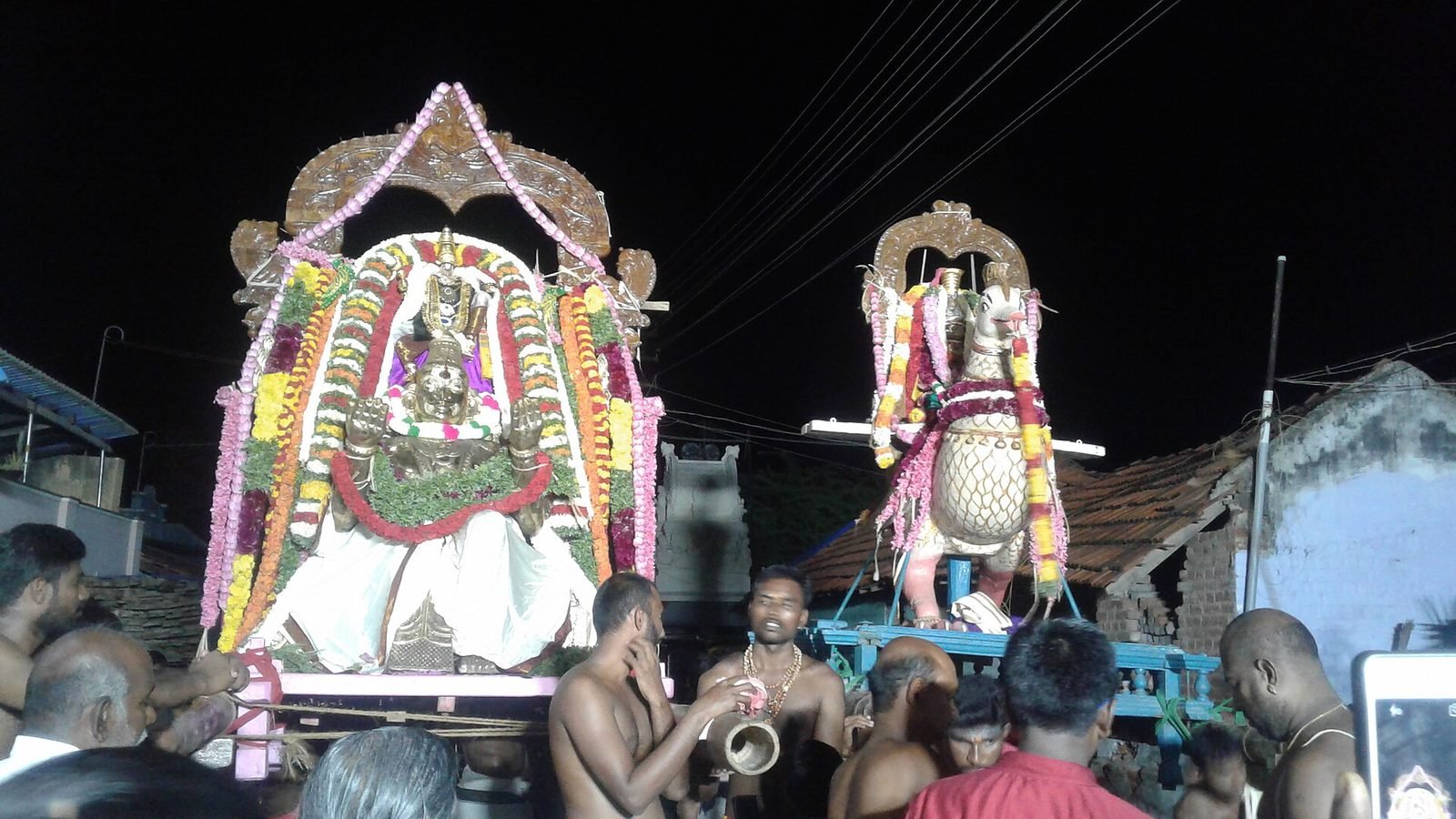
Set in Thirukkolur, Tamil Nadu, Vaithamanidhi Perumal Temple is dedicated to Vaithamanidhi Perumal with consorts Amudhavalli and Koloorvalli. It is also known as Thirukkolur, Kuberasthalam.
Vaithamanidhi Perumal Temple is one of the 108 Divya Desams, the Vishnu shrines glorified by the Alvar saints in the Naalayira Divya Prabandham, and is also the eighth of the Nava Tirupati, the nine Vishnu temples strung along the Tamiraparani river near Srivaikuntam. Within the Nava Tirupati group it is associated with the planet Mars (Angaraka) in the navagraha tradition. The temple's sthala puranam holds that Kubera, the god of wealth, was cursed by Shiva and lost his nine kinds of wealth (nava nidhi).
Tamil Nadu carries a distinct temple identity of its own: Land of towering gopurams and living Dravidian temple traditions, from the Chola masterpieces to the great Pancha Bhoota Sthalas.
Darshan hours and daily worship
| Session | Timing (as published) |
|---|---|
| Morning | 7:30 AM to 12:00 PM |
| Evening | 5:00 PM to 8:00 PM |
Timings are as reported by a pilgrimage travel site and may vary; visitors are advised to confirm locally before travelling
Poojas and daily rituals
Six daily poojas are performed, including Kalasanthi (around 8:00 AM), Uchikalam (12:00 PM), Sayarakshai (6:00 PM) and Ardha Jamam (8:00 PM), with alangaram, neivethanam and deepa aradhanai; the temple follows Thenkalai Vaishnavite tradition and Pancharatra agama
Festivals and special-day timings
Regular darshan hours are usually extended, or set aside entirely, on these dates.
| Festival | Period | What happens |
|---|---|---|
| Avani Festival | Avani month (August to September) | A ten day festival in which the deity is taken out in a different processional vehicle each day; highlights include a Madhurakavi Alvar palanquin procession, a visiting procession of Nammalvar from Alwarthirunagari, and a chariot (ther) procession on the final day |
| Vaikuntha Ekadashi | Margazhi month (December to January) | A twenty day observance divided into ten days of Pagal Pathu and ten nights of Ra Pathu, with Vaikuntha Ekadashi falling on the first night |
| Purattasi Garudasevai | Saturdays in Purattasi month (September to October) | Perumal is taken out in procession on the Garuda vahanam together with Madhurakavi Alvar on a palanquin |
| Vaikasi Garuda Sevai | Vaikasi month (May to June) | On the fifth day of the Nammalvar festival at Alwarthirunagari, the festival idols from all nine Nava Tirupati temples are brought together and taken out in procession on Garuda vahanam |
History and architecture
Architecture
Dravidian style with a rectangular granite enclosure, a three tiered rajagopuram and two prakarams; the main deity is enshrined in a reclining posture facing east, resting on a Marakka pillow and looking toward his left palm
History
The temple's sthala puranam holds that Kubera, the god of wealth, was cursed by Shiva and lost his nine kinds of wealth (nava nidhi). After performing penance and worshipping Vishnu here, Kubera was relieved of his misfortune and regained his riches, giving the temple its alternate name Kuberasthalam. The site is also traditionally linked to a separate legend of King Ambarisha's deliverance from sage Durvasa's curse. The temple is glorified in the Naalayira Divya Prabandham by Nammalvar and is mentioned in the Brahmanda Purana's Navathirupathi Mahatmiyam chapter. The shrine is traditionally regarded as the birthplace of Madhurakavi Alvar, disciple of Nammalvar. The structure is said to have been renovated during the reign of Rani Mangammal (1689 to 1704 CE).
Planning your visit
How to reach
The temple lies near the Tamiraparani river on the route connecting SH-93 (Alwarthirunagari to Valliyoor) and SH-40 (Tiruchendur to Tenkasi). Tirunelveli and Tiruchendur, both under 30 km away, are the nearest towns with rail links and lodging; hiring a vehicle is recommended for visiting the Nava Tirupati temples together
Where this information comes from
Confidence: Medium. Darshan timings are sourced from a single pilgrimage travel site and may have changed; built era is approximate, based on inscriptional evidence rather than a documented founding date