Navagraha Sthalam
The Navagraha Sthalam is a circuit of nine temples clustered around Kumbakonam in Tamil Nadu, each dedicated to one of the nine celestial bodies of Vedic astrology: the Sun, Moon, Mars, Mercury, Jupiter, Venus, Saturn, Rahu and Ketu. Pilgrims typically visit all nine in a single day to address planetary doshas, with Thirunallar's Shani shrine widely regarded as the circuit's most important stop.
20 temples in this dataset mention this circuit.
Planning this circuit
Traditional order
- Suryanar Koil (Sun)
- Chandran Koil, Thingalur (Moon)
- Angarakan/Sevvai Koil, Vaitheeswaran Koil (Mars)
- Budhan Koil, Thiruvenkadu (Mercury)
- Guru Koil, Alangudi (Jupiter)
- Sukran Koil, Kanjanur (Venus)
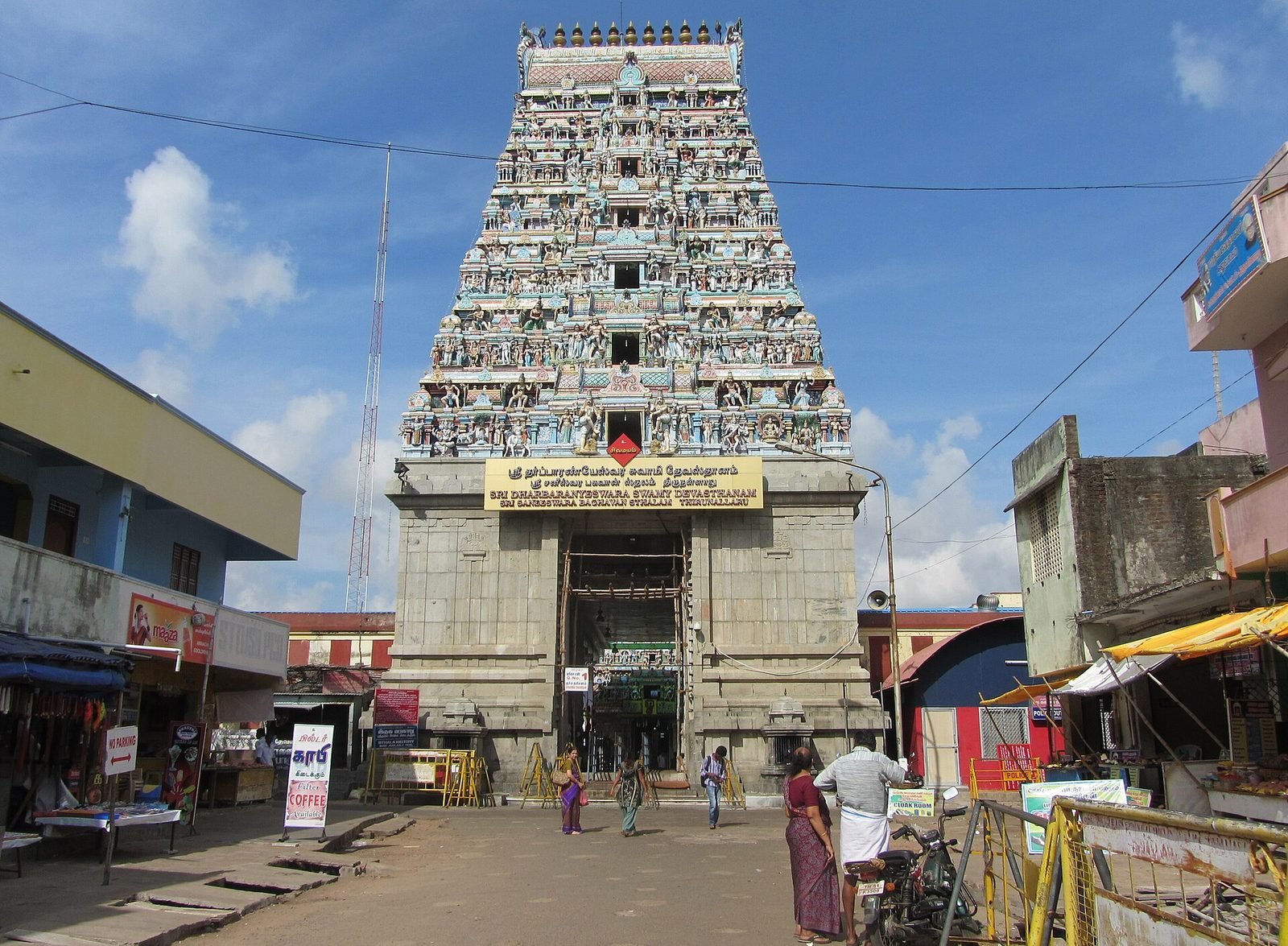
- Saneeswaran Koil, Thirunallar (Saturn)
- Rahu Koil, Thirunageswaram (Rahu)
- Ketu Koil, Keezhaperumpallam (Ketu)
There is a commonly cited astrological order, starting with Suryanar Koil since Surya is considered the chief of the nine celestial deities, and ending with Rahu and Ketu. However, multiple travel-planning sources are explicit that this astrological order is not the same as the most efficient driving route, and route-optimized itineraries (which reduce backtracking) are common and differ from the astrological sequence. So treat the order above as the traditional/astrological one, not a fixed logistical route.
Practical notes
- Temples generally observe an afternoon closure (roughly 12:30 PM to 4:00 PM), so a single-day circuit has to be planned around this gap rather than assuming temples stay open all day.
- A hired full-day cab with a driver familiar with the route is the standard way to attempt all nine temples in one day, since the temples are spread across a roughly 185 km loop.
- Given the afternoon closures and driving distances, some pilgrims split the circuit over 2 days rather than the single-day version, particularly if they want unhurried darshan time at each temple.
Sources
templetravels.in, www.diyatemplestour.in, kumbakonamfriendstrackcalltaxi.com, en.wikipedia.org
Confidence: Medium - The astrological order is consistently documented, but exact temple names/spellings and route timings vary slightly across operator sources; no single government or temple-trust authority was found to serve as a definitive cross-check.
Frequently asked questions about Navagraha Sthalam
What is Navagraha Sthalam?
The Navagraha Sthalam is a circuit of nine temples clustered around Kumbakonam in Tamil Nadu, each dedicated to one of the nine celestial bodies of Vedic astrology: the Sun, Moon, Mars, Mercury, Jupiter, Venus, Saturn, Rahu and Ketu. Pilgrims typically visit all nine in a single day to address planetary doshas, with Thirunallar's Shani shrine widely regarded as the circuit's most important stop.
How many Navagraha Sthalam temples are listed in this dataset?
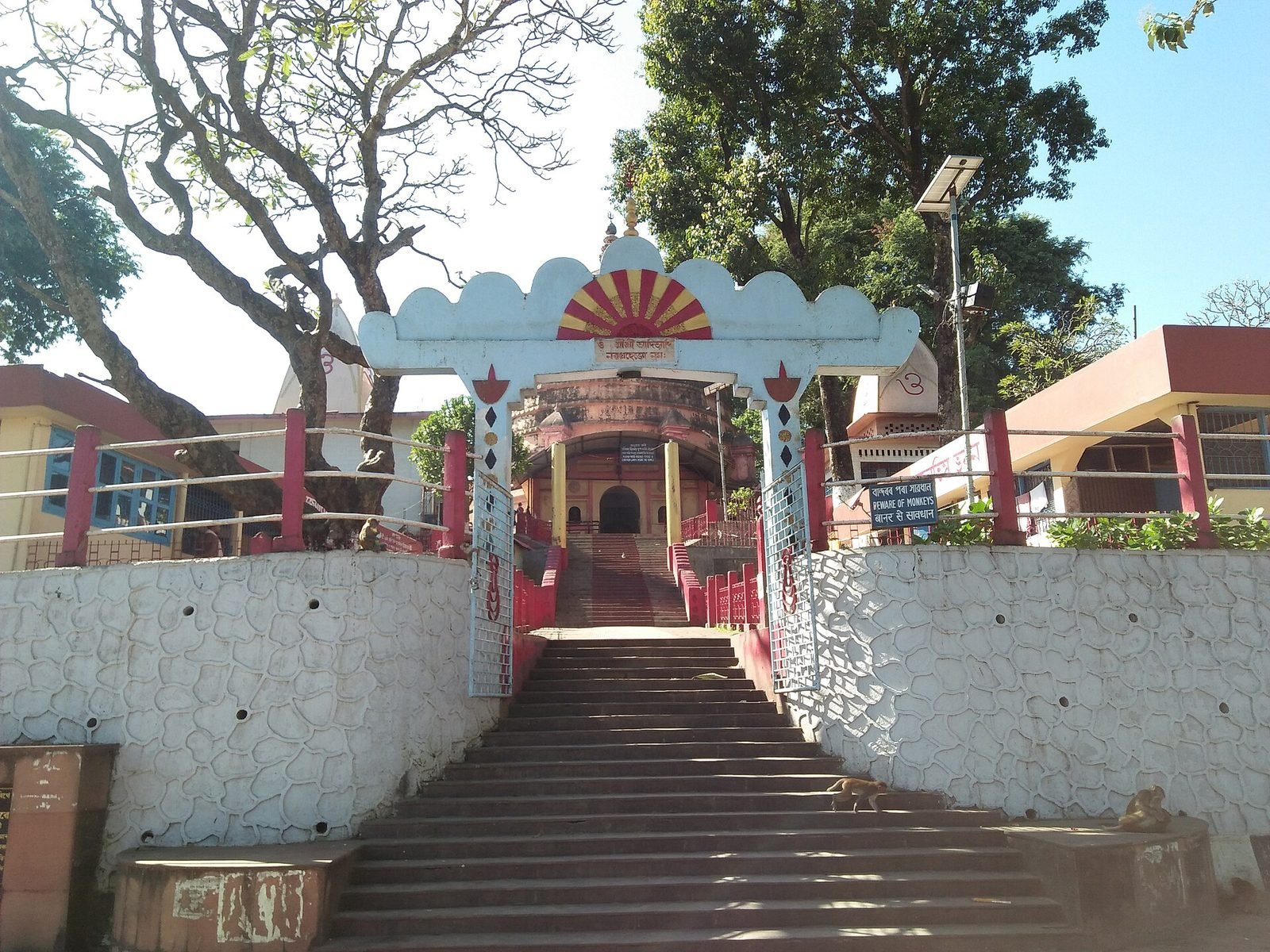
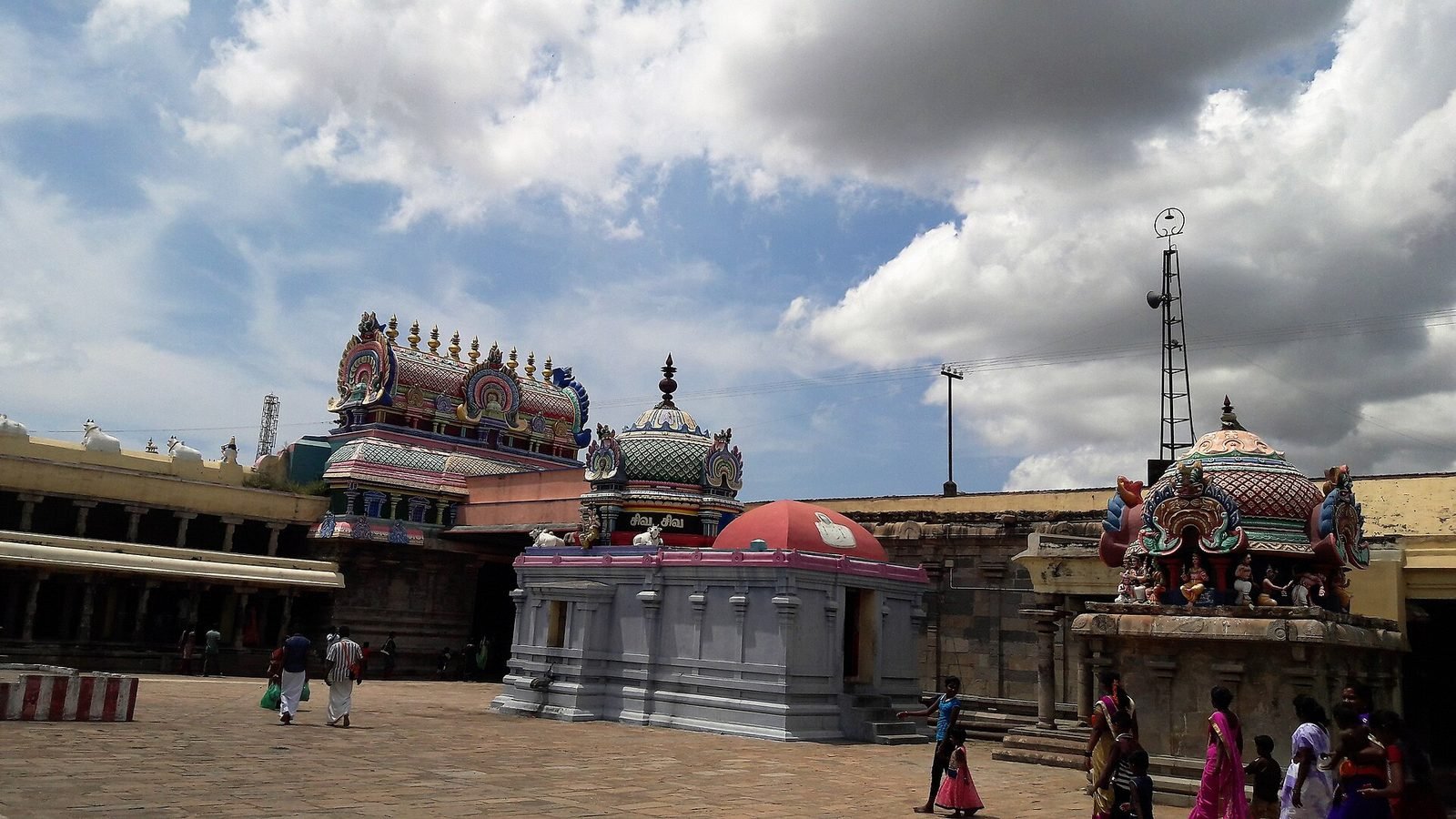
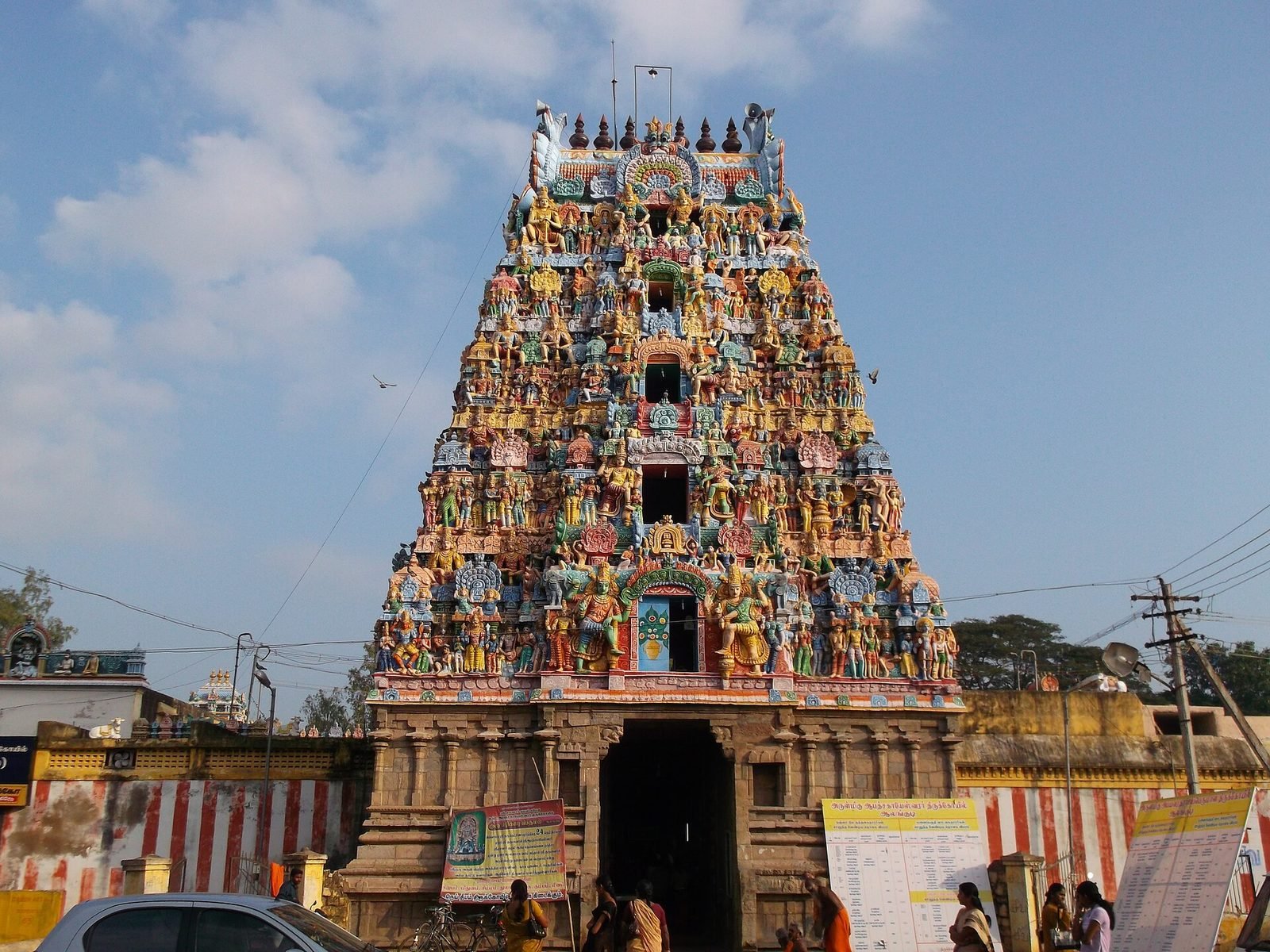
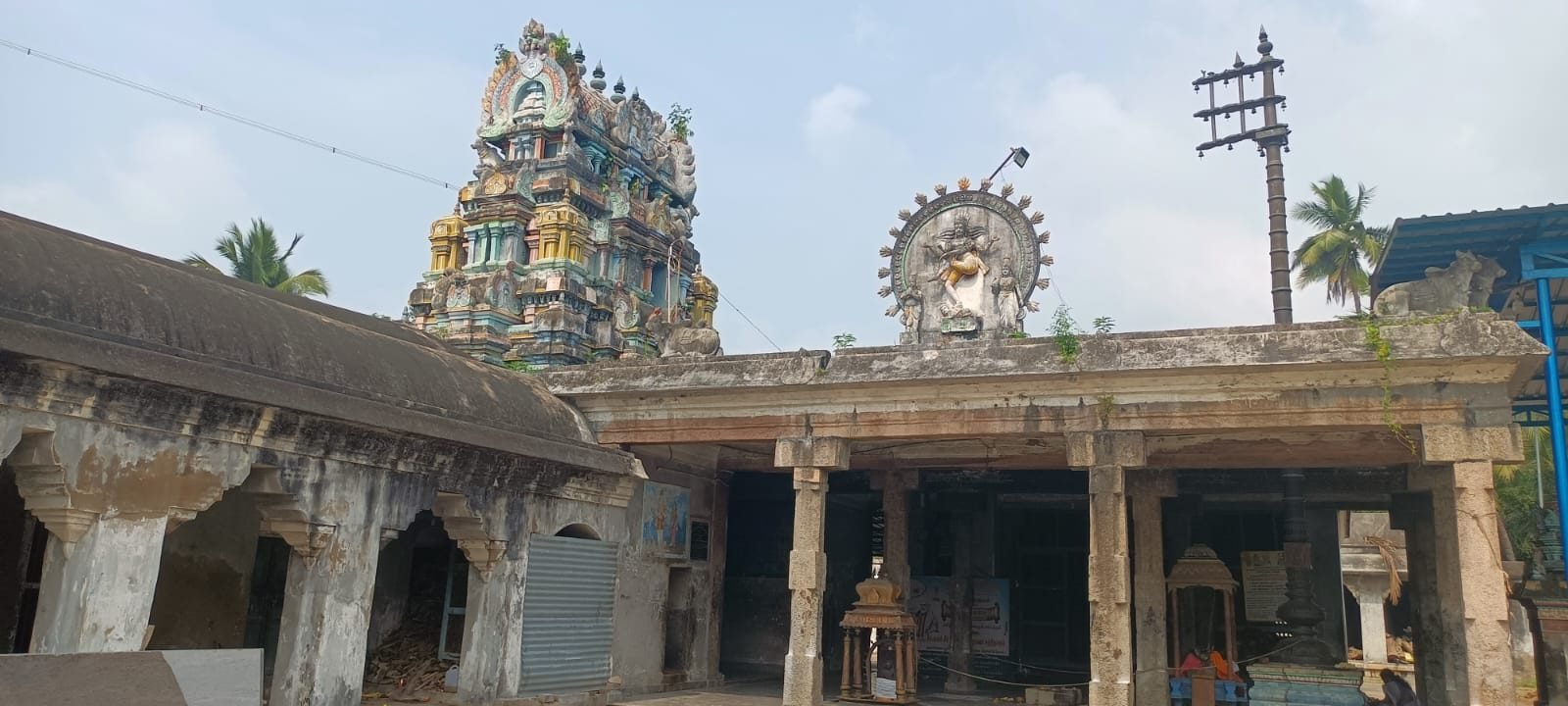
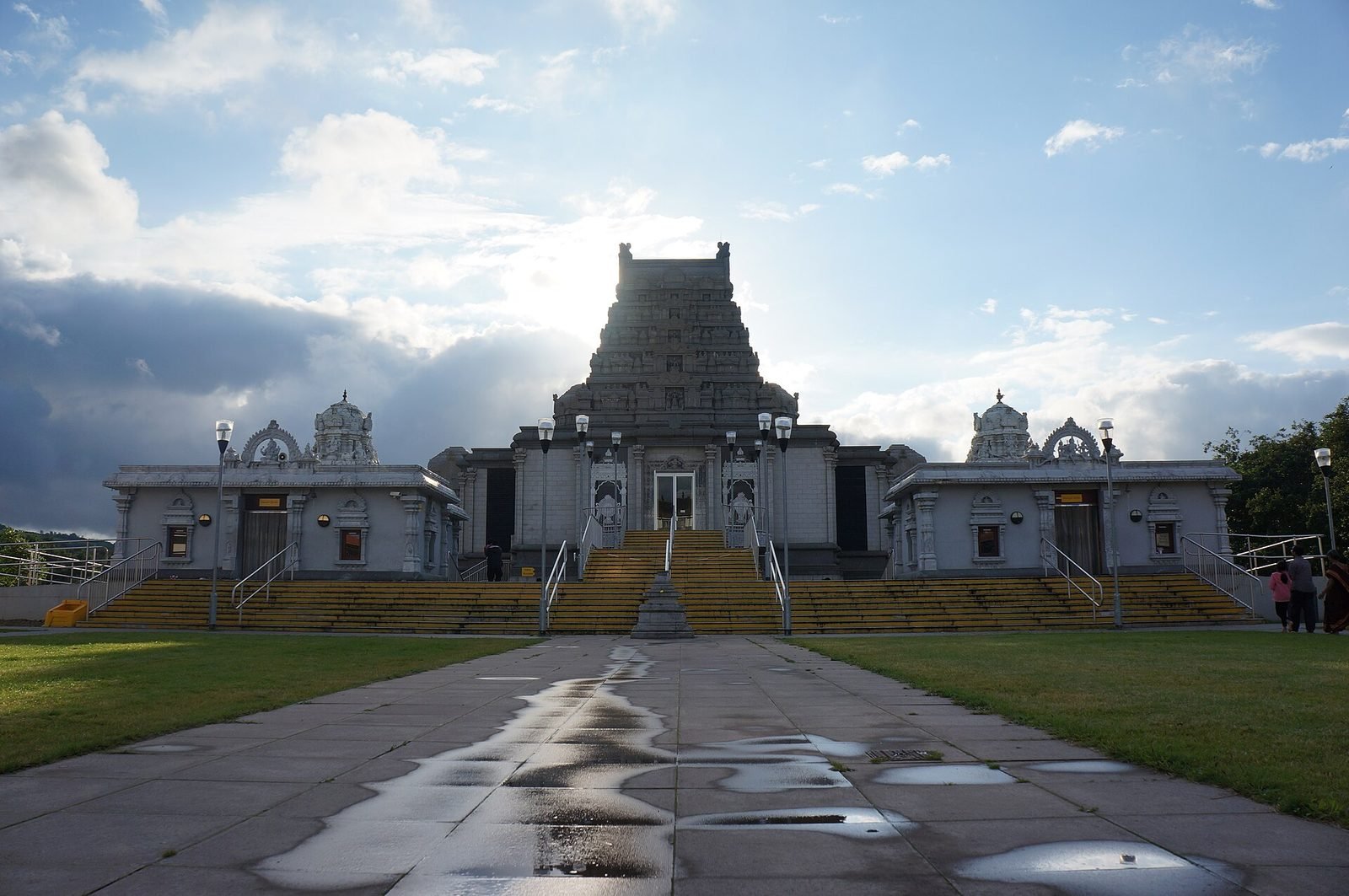
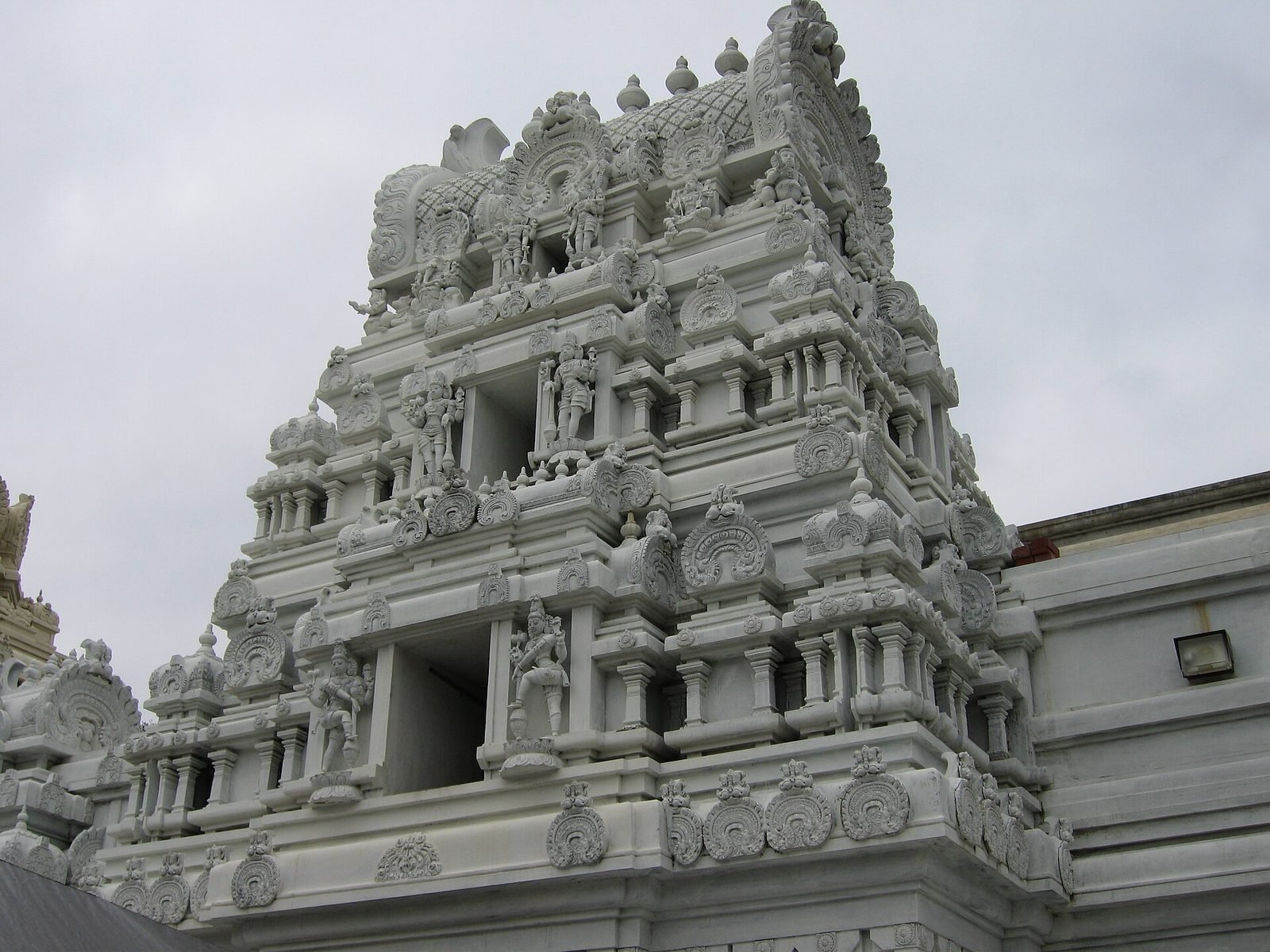
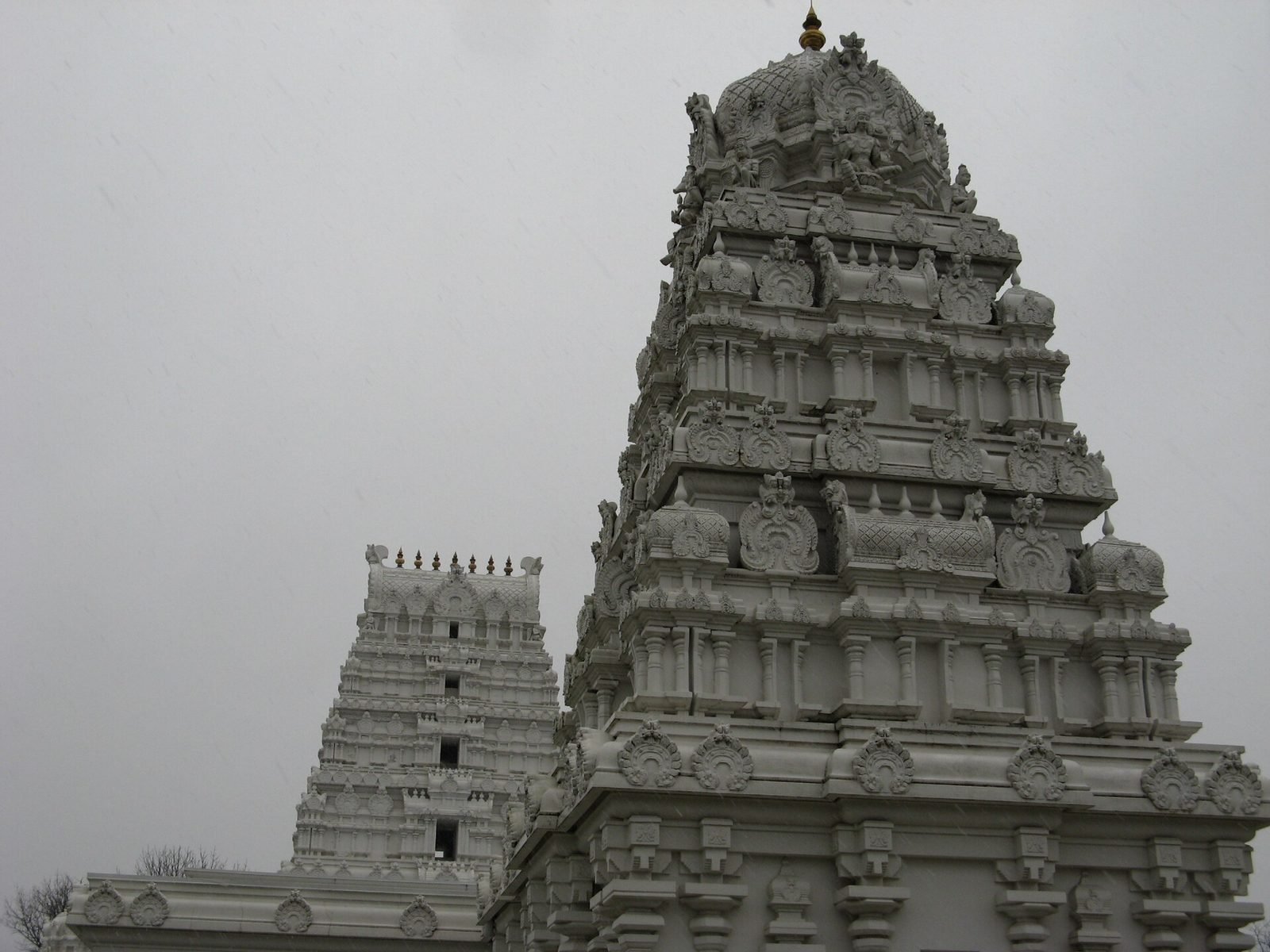
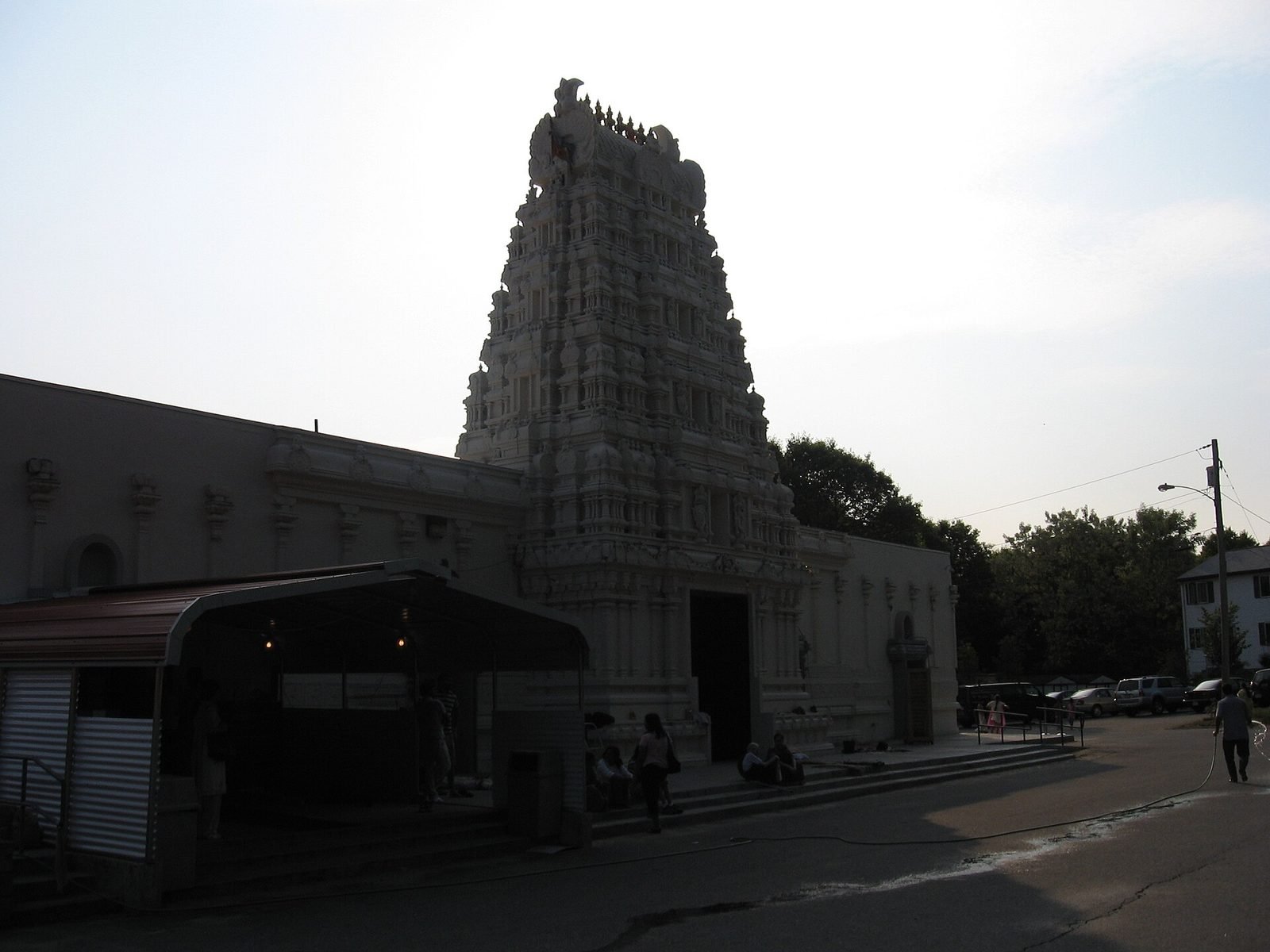
20 at the time this page was generated: Navagraha Temple, Suryanar Kovil (Suryanarayana Temple), Kailasanathar Temple, Thingaloor, Vaitheeswaran Koil (Sri Vaidyanatha Swamy Temple), Swetharanyeswarar Temple, Apatsahayesvarar Temple, Agneeswarar Temple, Dharbaranyeswarar Temple, Thirunallar, Naganathaswamy Temple, Thirunageswaram, Naganathaswamy Temple, Keezhperumpallam, Vaithamanidhi Perumal Temple, Makara Nedunkuzhaikathar Temple, Jagathrakshaga Perumal Temple, Jagannatha Perumal Temple, Vishnu Mandir, Sri Thendayuthapani Temple, Shri Venkateswara (Balaji) Temple, Malibu Hindu Temple, Hindu Temple of Greater Chicago, Sri Lakshmi Temple.
Which states are represented?
Assam, Canada, Singapore, Tamil Nadu, United Kingdom, United States
When is the best time to attempt this circuit?
October to March is generally recommended for cooler, more comfortable weather during a long single day of temple hopping; no hard seasonal closure like Char Dham was found for this circuit.
Do darshan hours differ between these temples?
Yes, considerably. Each temple sets its own hours; there is no single shared schedule across a circuit.
Is completing this circuit a formal religious requirement?
Traditions vary; for most of these circuits, visiting all member sites is a devotional custom rather than a strict requirement, though some pilgrims treat it as such.
What is the best order to visit these temples in?
Traditional order: Suryanar Koil (Sun) -> Chandran Koil, Thingalur (Moon) -> Angarakan/Sevvai Koil, Vaitheeswaran Koil (Mars) -> Budhan Koil, Thiruvenkadu (Mercury) -> Guru Koil, Alangudi (Jupiter) -> Sukran Koil, Kanjanur (Venus) -> Saneeswaran Koil, Thirunallar (Saturn) -> Rahu Koil, Thirunageswaram (Rahu) -> Ketu Koil, Keezhaperumpallam (Ketu). There is a commonly cited astrological order, starting with Suryanar Koil since Surya is considered the chief of the nine celestial deities, and ending with Rahu and Ketu. However, multiple travel-planning sources are explicit that this astrological order is not the same as the most efficient driving route, and route-optimized itineraries (which reduce backtracking) are common and differ from the astrological sequence. So treat the order above as the traditional/astrological one, not a fixed logistical route. Starting point: Kumbakonam is the conventional base and starting hub since all nine temples are clustered within roughly 20 to 40 km of it; within the astrological order, Suryanar Koil (Sun) is the traditional first stop since Surya is regarded as chief among the navagrahas.. Typically takes Commonly attempted as a single, long day (about 12 to 14 hours, starting around 5:30 AM and finishing by evening) by hired car from Kumbakonam, though 2-day itineraries are also offered by local operators for a more relaxed pace.
Will festival dates affect a visit to these temples?
Yes. Several of these sites see their heaviest crowds and most extended hours during specific annual festivals, noted on each temple's page.
Are entry fees charged at these temples?
Most offer free general darshan with an optional paid special-darshan queue; a few charge a standard entry ticket. See each temple's own page for specifics.
How was this list put together?
By matching each temple's recorded name, history, significance and festival details against this circuit's defining criteria. See the About page for the full sourcing methodology.